

How to Plan a Multicultural Wedding
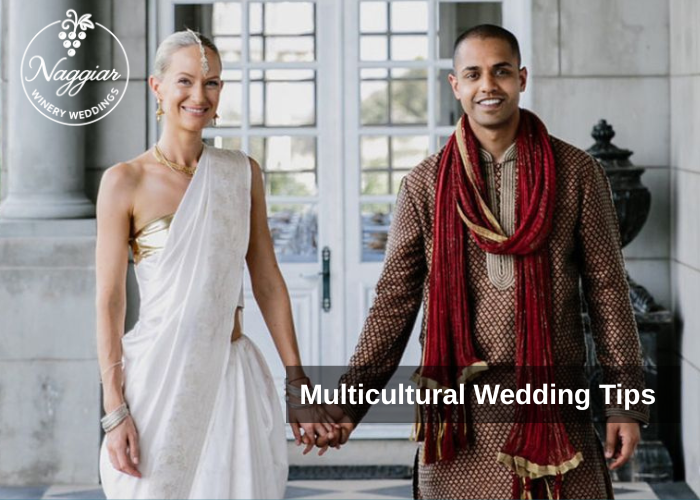
Planning a multicultural wedding is one of the most personal ways to tell your story as a couple. It can also come with a few extra decisions: which traditions to include, how to explain them to guests, how to keep the timeline moving, and how to make both families feel seen without turning the wedding into a 14-hour group project. The good news? With a thoughtful plan, a multicultural wedding in the Sierra Foothills can feel meaningful, smooth, and very much like you.
For couples hosting guests from Grass Valley, Nevada County, Auburn, or Sacramento, a winery setting can make that balance easier. Scenic views, flexible event spaces, and a relaxed flow give you room to honor traditions without making the day feel overstuffed.
Quick Answers
Start by choosing the traditions that matter most to each of you, not the ones that simply showed up through family momentum.
Build extra time into the schedule for ceremonial moments, outfit changes, family blessings, or bilingual elements.
Give guests short explanations of important customs so they feel included, not confused.
Focus on meaning over symmetry. A great multicultural wedding does not need to be mathematically equal to feel respectful.
Start With Priorities, Not Pinterest
Before you decide on signage, centerpieces, or whether your seating chart needs to perform emotional triage, sit down together and define your priorities.
Each partner should list:
3 traditions that feel essential
3 traditions that could be adapted
3 things they do not want to include just because “that’s what everyone expects”
This gives you a much clearer starting point. One family may care deeply about a tea ceremony, ketubah signing, baraat, lasso ceremony, family blessing, or specific ceremonial music. The other may care most about shared prayers, speeches, symbolic rituals, or a meal that feels like home. All of those can belong. The trick is choosing the elements that truly represent your relationship.
A strong multicultural wedding plan answers one simple question: What do we want this day to say about us?
How to Plan a Multicultural Wedding Without Overloading the Timeline
Most wedding stress is really timeline stress wearing a fancy outfit.
When couples combine cultural or religious traditions, the biggest challenge is rarely the traditions themselves. It is fitting everything into one day without making guests hungry, vendors confused, or grandparents quietly wonder whether dessert was a myth.
A simple framework usually works best:
Opening ceremony or first ritual
Start with the most formal or time-sensitive tradition.Transition space
Cocktail hour, welcome drinks, light bites, or live music helps guests reset and gives you breathing room.Reception with intentional cultural moments
Dances, blessings, speeches, food traditions, games, or music sets from both backgrounds.One clear ending
Finish with a single memorable final moment instead of several mini-endings that leave guests checking the parking lot and the dessert table at the same time.
At a winery venue, this kind of flow is especially useful because separate spaces can support different moments naturally. A ceremony lawn, terrace, or indoor reception room can help your wedding feel layered without feeling fragmented.
For couples planning a smaller guest count, a micro wedding package for intimate celebrations can make it even easier to include meaningful traditions without turning the schedule into a competitive endurance sport.
Choose a Format That Fits Your Families
There is no single correct way to structure a multicultural wedding. The best setup depends on what matters most, how many guests you are hosting, and how much time you realistically have.
Option 1: Separate but connected moments
This works well when each tradition deserves its own focus.
Example: a private family ceremony earlier in the day, followed by a larger guest ceremony and reception.
Option 2: One blended ceremony
This works well when you want one shared experience for all guests.
Example: vows in two languages, music from both cultures, and one unity ritual that represents both families.
Option 3: Ceremony in one style, reception honoring both
This is often the easiest for guest flow.
Example: a traditional ceremony followed by a reception featuring cultural foods, music, attire changes, or family rituals from both sides.
For many couples, the hybrid approach feels most natural. It lets you honor both backgrounds while keeping the day understandable for guests and manageable for the people actually running it. Important detail.
Help Guests Understand the Meaning Behind the Moments
Guests are usually delighted to experience traditions that are new to them. They just appreciate a little context.
Easy ways to do that:
Add a short explanation in the ceremony program
Ask your officiant to introduce a ritual in one or two sentences
Use signage for cultural foods or ceremonial items
Include bilingual wording when needed
Give your DJ, photographer, and coordinator a heads-up on what matters most
Keep explanations brief and warm. Think helpful guide, not dissertation. Guests do not need a lecture before cocktail hour. They need just enough context to appreciate what they are seeing.
Family Expectations: Address Them Early
A multicultural wedding can bring out strong emotions because weddings are rarely just about logistics. They are often about identity, family history, and feeling included.
That is why early conversations matter.
Try language like:
“We want both families to feel represented.”
“We are choosing the traditions that feel most meaningful to us.”
“We may not include everything, but we do want to honor what matters most.”
“Here’s where we’d love your help.”
Giving relatives a clear role can reduce tension. One person might help gather ceremonial items. Another might help with family music selections. Another might help explain a tradition to out-of-town guests. Inclusion helps. So do boundaries. The two are not enemies.
Food, Music, and Attire Are Where Multicultural Weddings Really Shine
Some of the most memorable multicultural wedding details happen outside the ceremony.
Food
You do not need to serve every dish from every branch of the family tree. A few intentional menu choices can say a lot. Signature dishes, desserts, late-night bites, or family-style elements can make guests feel the celebration is personal and welcoming.
Music
Music is one of the easiest and most joyful ways to represent both cultures. Build a playlist or work with your DJ to include songs for key dances, family favorites, and those few tracks guaranteed to get multiple generations onto the dance floor with surprising enthusiasm.
Attire
Many couples choose one look for the ceremony and another for the reception. Others incorporate cultural jewelry, embroidery, color symbolism, veils, or ceremonial garments into one outfit. Either way, your attire can reflect both tradition and personal style.
For inspiration, a gallery of real winery weddings can help you see how couples blend ceremony design, attire, and reception style in one cohesive event.
Practical Planning Tips for a Sierra Foothills Wedding
A multicultural wedding often has more moving parts, so practical planning matters just as much as beautiful design.
Use this checklist:
Confirm how long each tradition actually takes
Build in buffer time for family coordination and photos
Ask about private spaces for changing or quiet ceremonial moments
Consider guest travel from Sacramento and nearby foothill towns
Plan around seasonal weather, especially for outdoor ceremonies and evening receptions
If you are comparing venue options, reviewing wedding pricing and package details early can help you understand what guest count, coordination support, and event flow make the most sense for your plans.
The Best Multicultural Wedding Feels Intentional, Not Packed
A beautiful multicultural wedding is not about squeezing in every possible tradition so nobody sends a strongly worded text later. It is about choosing the moments that matter, presenting them clearly, and giving them enough space to feel meaningful.
That means:
choosing traditions with purpose
creating a timeline with breathing room
helping guests understand what is happening
making both families feel welcomed
remembering that your wedding is about your marriage, not winning a diplomacy award
A thoughtful winery celebration can make that balance feel easier. If you are planning in the Sierra Foothills, explore wedding packages and pricing, see micro wedding options for smaller guest lists, and contact Naggiar Winery Weddings to start planning your celebration.
Pro Tips
Choose one master timeline and share it with every vendor.
Tell your photographer and DJ which cultural moments are absolutely non-negotiable.
Keep guest explanations short, clear, and warm.
Add 10 to 15 minutes of buffer time around any family-heavy ritual.
Decide early which traditions are essential so smaller decisions stay small.
Common Mistakes
Trying to include every tradition to avoid disappointing anyone.
Assuming guests will automatically understand the meaning of each moment.
Forgetting to plan for changing time, ceremonial items, or large family photos.
Letting too many relatives shape the timeline.
Packing the schedule so tightly that dinner starts feeling fictional.
FAQs
1) What is a multicultural wedding?
A multicultural wedding blends traditions, customs, languages, religious elements, or family practices from two different cultural backgrounds into one celebration.
2) How do you plan a multicultural wedding without overwhelming guests?
Choose the traditions that matter most, explain them briefly, and build a timeline with enough room for guests to follow the flow comfortably.
3) Do both cultures need equal time during the wedding?
No. The goal is not a perfect 50/50 split. The goal is for both partners and families to feel meaningfully represented.
4) What is the best format for a multicultural wedding?
A hybrid format often works best: one main ceremony structure with cultural traditions woven throughout the ceremony, cocktail hour, or reception.
5) Are winery venues good for multicultural weddings?
Yes. Winery venues often offer flexible indoor-outdoor spaces, scenic backdrops, and a natural flow that works well for multiple traditions and guest experiences.
6) Can a small wedding still include multiple cultural traditions?
Absolutely. Smaller weddings often make it easier to include meaningful rituals without creating a rushed timeline.
