

Planning a Hmong Wedding in the Sierra Foothills
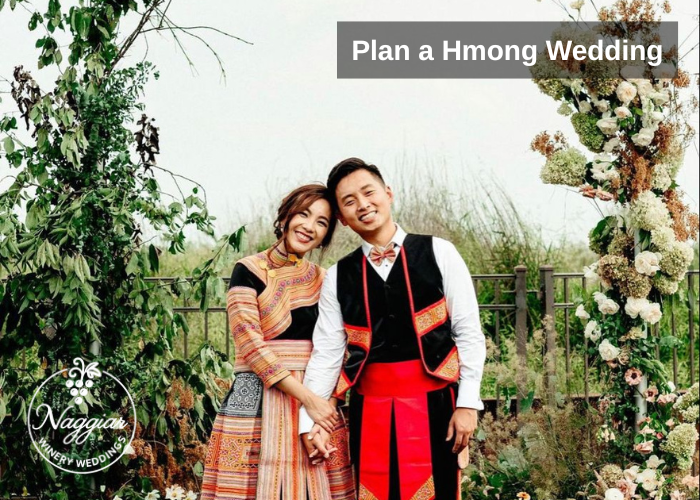
Planning a Hmong weding in the Sierra Foothills is not just about finding a pretty venue and hoping the family group chat sorts itself out. There is no single Hmong wedding template. Traditions can vary by family, clan, faith, and generation. What stays consistent is that weddings are deeply family-centered, respect and protocol matter, and many Hmong American couples blend traditional elements with a legal or officiated ceremony.
Quick Answers
Start with family priorities before you book décor, signage, or anything with a ribbon on it. In Hmong traditions, the wedding is about uniting families, not just styling a photo backdrop.
Decide early whether you are hosting a traditional ceremony, a blended one-day celebration, or a traditional event plus separate legal ceremony. Many Hmong American couples do both.
Build extra time into the schedule for family-led moments, outfit changes, blessings, meals, and explanations for guests who are new to the customs. Traditional celebrations can extend over more than one day.
Choose a venue with breathing room: one place for ceremony, one place for family gathering, and one place for photos where nobody is dodging folding chairs in the background. For smaller celebrations, micro wedding options can keep things intimate without feeling skimpy.
Planning a Hmong Wedding: Start With Family, Not Flowers
Before you pick linen colors or debate whether ivory is “warmer” than cream (it is, but that is not today’s emergency), sit down with both families and map out the actual priorities.
Ask these questions first:
Which traditions are essential to honor?
Which customs can be adapted for a modern venue?
Who needs to be present for key family moments?
Will you also have a civil or officiated legal ceremony?
Do you need bilingual announcements or printed explanations?
Are there attire changes, ceremonial gifts, or meal traditions to account for?
That conversation matters because Hmong weddings are rooted in kinship, family responsibility, and respect for elders and relatives. Get clarity here, and the rest of planning gets much easier. Ignore it, and no floral arch on earth will save the timeline.
Choose the Wedding Structure Early
For many couples, the smartest move is deciding the structure before touring venues. A few common formats work especially well:
1. Traditional ceremony + separate legal signing
This is a strong option if your family wants to preserve meaningful customs while also handling legal recognition cleanly.
2. One blended wedding day
This works well when you want traditional family elements, a modern ceremony, and a reception in one place.
3. Traditional family rites + smaller vineyard reception
Perfect for couples who want the cultural heart of the day intact, but prefer a more relaxed guest experience afterward.
If you are planning in Northern California, a vineyard venue can help because it gives you distinct spaces and a calmer flow. You can hold family-centered moments privately, then move into portraits, dinner, and celebration without making the day feel like twelve separate field trips. Naggiar’s own multicultural wedding guide makes the same point: scenic Sierra Foothills venues with flexible flow can make tradition-heavy celebrations feel smoother, especially for guests coming from Grass Valley, Nevada County, Auburn, or Sacramento.
Build a Timeline With More Margin Than You Think
A Hmong wedding timeline should be generous, not optimistic. Traditional Hmong weddings are highly structured, centered on respect between families, and may include ritual moments and feasting across an extended schedule. Even if you are hosting a modern version, the day usually works better when you stop pretending it will all fit into a neat little 4-hour block.
A practical vineyard timeline might look like this:
9:00 AM — Immediate family arrival, setup, attire prep
10:00 AM — Family-led or traditional ceremonial elements
12:00 PM — Lunch, tea, or transition break
2:00 PM — Legal/officiated ceremony or public vows
3:00 PM — Family photos + vineyard portraits
4:00 PM — Cocktail hour / guest mingling
5:30 PM — Dinner and toasts
7:00 PM — Dancing, music, or relaxed social time
Add buffer for:
outfit changes
elder arrivals
translation or bilingual announcements
extra photos with extended family
ceremonial items nobody wants to realize are missing at the exact wrong moment
A coordinator helps here. At Naggiar, a professional coordinator is required for weddings, and honestly, for a day involving family protocol, multiple transitions, and a guest count larger than “just us and a very emotional aunt,” that is a blessing disguised as a policy.
Pick a Venue That Supports Meaning and Logistics
A beautiful Hmong wedding venue should do more than look good in golden hour. It should support the flow of the day.
Look for:
space for private family moments
easy transitions between ceremony and reception
room for elders to sit comfortably
a photo-friendly outdoor setting
a team that understands timelines, not just table numbers
In Grass Valley, Naggiar’s vineyard setting is known for views of the vines, oak trees, tasting-room architecture, and photo backdrops couples and photographers consistently praise. If you are comparing options, start with transparent pricing for winery weddings, browse the real wedding gallery, and keep micro wedding options in mind if you are planning a smaller celebration.
Help Guests Understand the Traditions
Not every guest will know what is happening, and that is okay. Confused guests are not bad guests. They are just one unanswered question away from wandering toward the parking lot.
A short printed program or welcome sign can do a lot of heavy lifting. Keep it simple:
one sentence on the meaning of the ceremony
a note if there are multiple parts to the day
attire or etiquette notes if relevant
a quick explanation of when meals, toasts, or dancing begin
Also helpful: appoint one MC or bilingual point person who can explain transitions in real time. This keeps the day feeling inclusive without turning every custom into a TED Talk.
Budget for the Cultural Must-Haves First
Depending on your family’s practice, the first budget items should not be charger plates or a neon sign with your last name in cursive. Start with what carries cultural weight.
That may include:
traditional attire or attire changes
embroidered textiles or silver accessories
ceremonial items
family gifts or bride-wealth discussions, if applicable
extra meal service
transportation for key relatives
bilingual paper goods or signage
Educational and cultural sources describing Hmong weddings note the importance of ceremonial protocol, family-to-family obligations, and the symbolism of clothing and silver in wedding traditions. Budget those essentials first, then build outward. Fancy extras are welcome. They just should not outrank the meaningful parts.
A winery-wedding checklist that actually helps
For a Hmong wedding in the Sierra Foothills, this planning checklist keeps things sane:
Family + tradition
confirm essential customs
assign family leads
confirm legal ceremony plan
decide on bilingual needs
Venue + logistics
verify ceremony and reception flow
build a realistic timeline
confirm seating for elders
assign coordinator + MC
Guest experience
share a short custom guide
plan lodging and carpools/shuttles
keep food and water easy to access
leave time for lots of family photos
Visuals
plan attire-change timing
choose portrait locations in advance
capture family groupings early
schedule golden-hour photos without rushing dinner
If you want a vineyard setting in Grass Valley that can handle meaningful traditions and relaxed celebration flow, explore transparent pricing for winery weddings, see micro wedding options for smaller guest counts, browse the real wedding gallery, and send a wedding inquiry when you are ready to start planning.
Pro Tips
Put one family representative from each side on the planning call early.
Add 15–30 minutes of buffer around every ceremonial transition.
Write a one-paragraph guest guide in plain English.
Photograph family groups before cocktail hour chaos begins.
Keep snacks and water close to the action. Hungry guests become roaming guests.
Common Mistakes
Booking a venue before confirming which traditions must happen onsite.
Assuming a modern wedding timeline can absorb family customs without extra space.
Forgetting bilingual announcements.
Underestimating attire-change time.
Spending more on décor than on the elements your families actually care about.
FAQs
Q1: How long does a Hmong wedding usually take?
Traditional Hmong weddings can span more than one day, though many modern Hmong American couples simplify or blend traditions into a shorter format. The smart planning move is to add more time than you think you need.
Q2: Do we need a separate legal ceremony?
Many Hmong American couples choose both a traditional celebration and a legal/officiated ceremony so the marriage is formally recognized. Confirm the legal requirements with your county clerk.
Q3: Can a Hmong wedding work at a winery venue?
Yes—especially when the venue has multiple usable spaces, strong coordination, and a relaxed flow between ceremony, portraits, and reception. That flexibility is one reason vineyard venues work well for multicultural weddings in the Sierra Foothills.
Q4: What should we tell non-Hmong guests ahead of time?
Give them a short guide covering ceremony meaning, timing, attire expectations, and when food or dancing starts. Clear beats complicated.
Q5: Can a Hmong wedding be a micro wedding?
Absolutely. A smaller guest count can still honor meaningful family traditions—just decide early which elements are essential and choose a venue flow that supports them. Naggiar’s micro wedding package is designed around a ceremony plus gathering format.
