

Tamil Wedding Planning in the Sierra Foothills: A Practical, Ritual-Respecting Guide
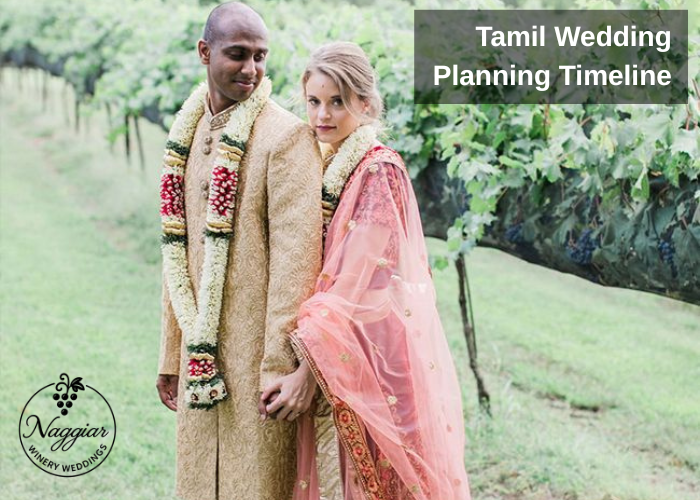
Quick Answers (save this before you open 37 tabs)
Typical Tamil wedding structure: multiple events (often 2–3 days) + a morning ceremony + reception flow that needs tight timing.
Book first: venue (with flexible event spaces), priest/iyer, catering team familiar with South Indian menus, photo/video.
Key success factor: guest flow—baraat-style entrances are optional; ritual pacing is not. Build buffers.
Best stress-reducer: assign a “ritual runner” (one person who knows what’s next and where the coconuts are).
Why Tamil weddings feel “big” (even when they’re intimate)
Tamil weddings aren’t just one ceremony—they’re a sequence of meaningful moments: family blessings, symbolic exchanges, and rituals that move fast once the muhurtham window starts. Even a micro wedding can be highly produced because the tradition is precise.
If you’re hosting in Northern California—think the Sierra Foothills, Nevada County, Grass Valley, or guests coming from Sacramento—your biggest planning win is building a schedule that respects tradition and keeps everyone fed, seated, and not wandering into the parking lot looking for coffee.
If you’re exploring a vineyard venue for a multi-event weekend, start with clear package options and capacity. Here’s a helpful baseline: see Naggiar wedding pricing.
The Tamil wedding weekend: common event line-up (and how to plan it)
Every family’s version is unique, but here’s a practical structure you can adapt:
1–2 days before: Pre-wedding events
Often includes:
Panda Kaal / Pandal setup (home or venue)
Mehndi (optional but popular)
Nalangu (playful rituals with close family)
Nitchayathartham (engagement ceremony) (sometimes separate)
Planning tips
If you’re doing multiple events on-site, choose a venue with distinct spaces (ceremony lawn + indoor area + reception space) so you’re not flipping a room every 45 minutes.
Build a “shoe plan.” Tamil weddings = lots of barefoot moments. Decide where shoes live and how they return to their owners (a sentence nobody expects to say out loud until it’s too late).
Want smaller guest counts with a still-stunning setting? Explore micro wedding options.
The ceremony day: a realistic Tamil wedding timeline (with buffers)
Tamil ceremonies often happen in the morning, and the pacing matters. Here’s a sample schedule you can plug into your planning doc:
Sample timeline (morning muhurtham)
6:00–7:30 AM Hair/makeup, getting ready, details photos
7:30–8:00 AM Couple portraits (golden hour is cute, but morning shade is your friend)
8:00–8:30 AM Guests arrive, seating, temple-style music / nadaswaram playlist
8:30–10:30 AM Ceremony rituals (exact sequence depends on your iyer + family tradition)
10:30–11:00 AM Family photos on mandapam
11:00 AM–12:30 PM Brunch/banana leaf lunch (or plated South Indian meal)
12:30–3:30 PM Downtime / outfit change / couple portraits / travel buffer
4:30–9:00 PM Reception + dinner + dancing
Buffer rule: Add 15 minutes before every “must-start” moment. Because someone will be pinning jasmine, looking for safety pins, or explaining where to place the thali. All valid.
If you’re venue-shopping, look for places with photo-friendly backdrops so portraits don’t require a long off-site drive. You can peek at real wedding flow and visuals in the wedding gallery.
Ritual-friendly logistics: what most timelines forget
Here’s what tends to cause chaos (and how to prevent it):
Mandapam + sacred fire considerations
Confirm where the mandapam will be placed (flat surface, shade options, power nearby if needed).
Discuss agni logistics with your venue and priest (safety rules, wind, fireproofing).
Keep a “ritual kit” table nearby: matches/lighter, extra garlands, coconuts, kumkum, vibhuti, turmeric, rice, thamboolam, towels, and water.
Sound and seating
If elders need to hear the priest clearly, plan microphones early.
Consider chair styles for sarees/dhotis (low backs can be… a choice).
Food timing (don’t make people wait hungry)
Tamil weddings are joyful. They’re also long. Plan snacks:
Coffee/tea station + light tiffin (idli, vada, mini dosa) during arrivals
Post-ceremony meal should begin within 60–75 minutes of ceremony end
Décor that honors tradition (without turning your budget into confetti)
Tamil wedding décor can be classic and still feel modern:
Color palette: marigold + jasmine whites + banana leaves + gold accents
Entrance: simple floral strings + signage in English/Tamil (guests love clarity)
Mandapam florals: focus spending here; photos live here
Reception: use warm lighting + greenery to complement vineyard vibes
Pro move: choose décor that transitions from ceremony to reception with minimal flips—your budget and your timeline will both thank you.
Vendor checklist: who you need (and when)
Book 9–12 months out (or ASAP for peak dates):
Venue (multi-space is ideal)
Iyer/priest
Caterer experienced in South Indian menus
Photo + video
Book 6–9 months out:
Decor/florals
Hair + makeup
DJ/MC for reception
Rentals (mandapam structure, chairs, linens)
Book 3–6 months out:
Invitations + signage
Transportation (especially if guests are staying in Sacramento or near Auburn)
Hotel blocks
When you’re ready to talk real numbers and layouts, start with wedding pricing details.
And when you want a venue walkthrough conversation, use the contact page to inquire.
A planning checklist you can screenshot
Ceremony
☐ Confirm muhurtham time + ritual sequence with priest
☐ Mandapam placement + shade/wind plan
☐ Seating plan for elders + family
☐ Ritual kit + coordinator/ritual runner assigned
Guest experience
☐ Arrival signage + parking directions
☐ Coffee/tea + light bites on arrival
☐ Clear transitions: ceremony → meal → portraits → reception
Reception
☐ Entrance + speeches schedule
☐ Dinner service plan (buffet vs plated)
☐ Dance floor + sound check
Closing thought (the kind that saves you a headache)
A Tamil wedding is tradition in motion. Your goal isn’t to “simplify” it into something else—it’s to design a schedule and space that supports it. Get the flow right, and everything feels effortless (even if 20 people are secretly doing logistics behind the scenes).
Ready to explore a vineyard setting in the Sierra Foothills for a multi-event celebration or a smaller guest count? Start here: send a wedding inquiry to us.
Pro Tips
Assign one bilingual point person for announcements (English + Tamil) so guests never feel lost.
Add a 15-minute buffer before muhurtham and before meal service. Always.
Keep a “ritual runner” focused only on items + timing (not hairpins, not cousins, not chaos).
Common Mistakes
Underestimating snack needs. Hungry guests become roaming guests.
No plan for shoe storage + retrieval during ceremony rituals.
FAQs
Q1: How long is a Tamil wedding ceremony?
Most run 2–3 hours depending on the ritual sequence, family traditions, and the priest’s pacing.
Q2: Do Tamil weddings have to be in the morning?
Not always, but many follow a morning muhurtham. If you want an evening ceremony, confirm muhurtham options early with your priest.
Q3: What’s the most important planning decision for a Tamil wedding?
A venue + timeline that supports smooth transitions (ceremony to meal to photos to reception) without long delays.
Q4: Can a Tamil wedding be a micro wedding?
Absolutely. The rituals can be preserved with a smaller guest count—just plan the ceremony layout, sound, and meal timing carefully.
Q5: What should we tell non-Tamil guests ahead of time?
Share a simple one-page guide: attire suggestions, ceremony length, when meals happen, and any footwear notes.
