

What Does a Wedding Coordinator Do at a Sierra Foothills Winery Wedding?
Quick Answers
A wedding coordinator does not usually plan your whole wedding; they execute the plan you already made.
“Day-of coordinator” sounds nice, but strong coordination usually starts at least a month before the wedding.
A venue coordinator and an independent wedding coordinator are not the same job.
At Naggiar, the Micro Weddings package requires a professional wedding coordinator, which tells you exactly how valuable this role is on a live event day.
What does a wedding coordinator do? In plain English: they take all the moving parts of your wedding and turn them into one event that actually works. For couples planning a winery wedding in the Sierra Foothills—especially around Grass Valley, Nevada County, and the Sacramento orbit—that matters more than ever. A vineyard wedding is gorgeous, but it still involves vendors, timing, guest flow, setup, cueing, and at least one person asking where they’re supposed to stand.
Think of your wedding as a puzzle. You picked the pieces: photographer, florist, DJ, rentals, ceremony order, family photo list, dessert, grand exit, and the exact moment you want golden-hour portraits in the vines. Your coordinator is the person who puts those puzzle pieces together so you are not answering vendor texts in formalwear.
What does a wedding coordinator do, exactly?
A wedding coordinator is there to execute, not to start from scratch. They are usually not your full planner, designer, or research assistant. They are the person who steps in near the finish line, gathers your decisions, organizes the timeline, confirms the vendors, and runs the wedding day so the whole thing feels polished instead of improvised.
Typical coordinator responsibilities include:
building a master wedding-day timeline
confirming arrival, setup, and departure times with vendors
reviewing your floor plan, ceremony order, and reception flow
managing the rehearsal
cueing the ceremony processional
keeping photos, toasts, dinner, and dancing on schedule
solving problems quietly, before they become your problem
This is the difference between “we planned a beautiful day” and “we actually got to enjoy it.”
Why “day-of coordinator” is usually a myth
Here’s the slightly spicy truth: nobody should be walking into your wedding cold and saying, “No worries, I got this.”
That is not coordination. That is optimism in a blazer.
A real coordinator usually starts weeks before the wedding—often about a month out—because that is when they gather contracts, final vendor contacts, layout notes, special requests, ceremony details, and all the tiny choices that somehow become very big choices when 80 people are hungry and your DJ is asking where the cake table goes.
You are likely spending real money on food, drinks, music, photography, and the setting itself. At Naggiar, couples are booking a Grass Valley vineyard property with ceremony and celebration spaces, vineyard photo opportunities, and a guest experience built around the estate. That is not the moment to “just wing it.”
Wedding coordinator vs. venue coordinator
This is where couples get tripped up, so let’s make it easy.
A venue coordinator works on behalf of the venue.
An independent wedding coordinator works on behalf of you.
Both are useful. They just have different lanes.
A venue coordinator often helps with:
access to the property
venue rules and timing
site logistics
staff communication
beverage or space-related operations
keeping the venue’s side of the event on track
An independent wedding coordinator usually handles:
your full event timeline
vendor communication across all companies
ceremony cueing
family and wedding-party wrangling
décor placement notes
transitions between spaces
the thousand tiny questions nobody should be asking the couple
At Naggiar, the Micro Weddings page makes this partnership pretty clear: a professional coordinator is mandatory, and the venue notes that your coordinator works with their team to make the day successful. That is the ideal setup—venue support plus someone whose main job is protecting your experience.
What a coordinator handles differently at a winery wedding
A winery wedding has its own rhythm. It is not harder, exactly—it is just less forgiving of sloppy timing.
For a Sierra Foothills winery wedding, a coordinator helps manage details like:
1) Guest flow between spaces
At Naggiar’s micro wedding offering, the event can include a waterfront ceremony site, a welcome or post-ceremony gathering, and estate photo opportunities. That means people are moving, not sitting in one ballroom all day. Someone needs to direct that flow so guests know where to go without hunting for answers.
2) Golden-hour timing
In vineyard country, light matters. A coordinator helps protect the best photo window so you do not lose sunset portraits because dinner started late or Uncle Mike disappeared before family photos.
3) Weather pivots
The Sierra Foothills are lovely, but they are also very committed to being an outdoor region. Spring tends to be mild, October tends to be excellent, summer can run warm, and evenings often cool off fast. A coordinator helps translate “pretty venue” into “practical plan.”
4) Vendor timing on an estate property
Load-in windows, ceremony start time, beverage service, florals, rentals, music, and photo timing all need to line up. A coordinator makes sure they do.
A smart checklist before you hire your coordinator
Before you book anyone, ask these questions:
When does your service begin?
Look for month-of coordination, not “I’ll see you at noon.”Do you build the final timeline?
Somebody should own it.Will you communicate directly with my vendors?
This is a big one. You do not need to be the group-chat admin the week of your wedding.Do you run the rehearsal?
Rehearsals are where calm begins.Do you bring an assistant?
For larger weddings, one coordinator can turn into a very fast walker with a clipboard.How do you work with the venue team?
At Naggiar, that matters because the venue expects your coordinator and their team to collaborate.Are you comfortable with winery weddings and outdoor transitions?
Grass, gravel, sunset, guest movement, cool evenings—wine country is beautiful, not autopilot.
When couples can’t skip coordination
Some weddings especially benefit from a pro coordinator:
you have more than a handful of vendors
you want a ceremony plus gathering/reception flow
you care about décor details actually landing where you pictured them
you have family dynamics that require tact and timing
you want to enjoy cocktail hour like a guest, not like an unpaid project manager
And for Naggiar specifically, the venue’s Micro Weddings package already bakes this into the process: professional coordination is required, and the package is built for a ceremony plus gathering with vineyard and estate access. Translation: even a smaller wedding deserves real execution.
What this means for Naggiar couples
For couples considering Naggiar, the smartest move is not asking, “Can we get away without a coordinator?”
It is asking, “Who is the right coordinator for the kind of day we want?”
Start with Naggiar wedding pricing to see guest-count tiers and what is included. For smaller celebrations, explore Naggiar’s Micro Weddings package, which includes vineyard ceremony space, seating, estate photo opportunities, and requires a professional coordinator. For visual inspiration, browse the wedding gallery. When you are ready to talk dates and logistics, reach out through Naggiar’s contact page.
Because on your wedding day, your job is to get married.
Not to answer, “Where should the cake knife go?” at 5:17 p.m.
Pro Tips
Hire a coordinator whose service starts before wedding week.
Ask for a final timeline that includes vendor arrivals, family photos, sunset portraits, and cleanup.
For winery weddings, build in a weather-and-light plan, not just a pretty Pinterest board.
Share one master document with vendor contacts, décor notes, and must-happen moments.
At a venue like Naggiar, make sure your coordinator is comfortable collaborating with the venue team.
Common Mistakes
Assuming a venue coordinator does the same job as your personal coordinator.
Waiting until the last week to hand over decisions, contracts, and contact info.
Underestimating guest movement between ceremony, cocktails, and photos.
Treating “day-of coordination” like magic instead of logistics.
Skipping coordination because the guest list is smaller. Small weddings are simpler, not self-running.
FAQs
1) What does a wedding coordinator do?
A wedding coordinator executes the wedding you already planned. They organize the timeline, confirm vendors, manage the rehearsal, cue the ceremony, and keep the day moving smoothly.
2) Is a wedding coordinator the same as a wedding planner?
No. A planner usually helps build the wedding from the beginning; a coordinator usually steps in later to organize and run it.
3) Is a day-of coordinator enough?
Usually, no. Good coordination typically begins weeks before the wedding so someone can gather details and create a workable plan before the event day arrives.
4) Do I still need a coordinator if my venue has one?
Probably yes, because venue coordinators and independent coordinators have different jobs. A venue coordinator supports venue operations; your coordinator supports your full event.
5) Why does coordination matter so much for a winery wedding?
Because winery weddings often involve outdoor timing, guest movement between spaces, weather planning, and a tighter relationship between ceremony light, photos, and flow.
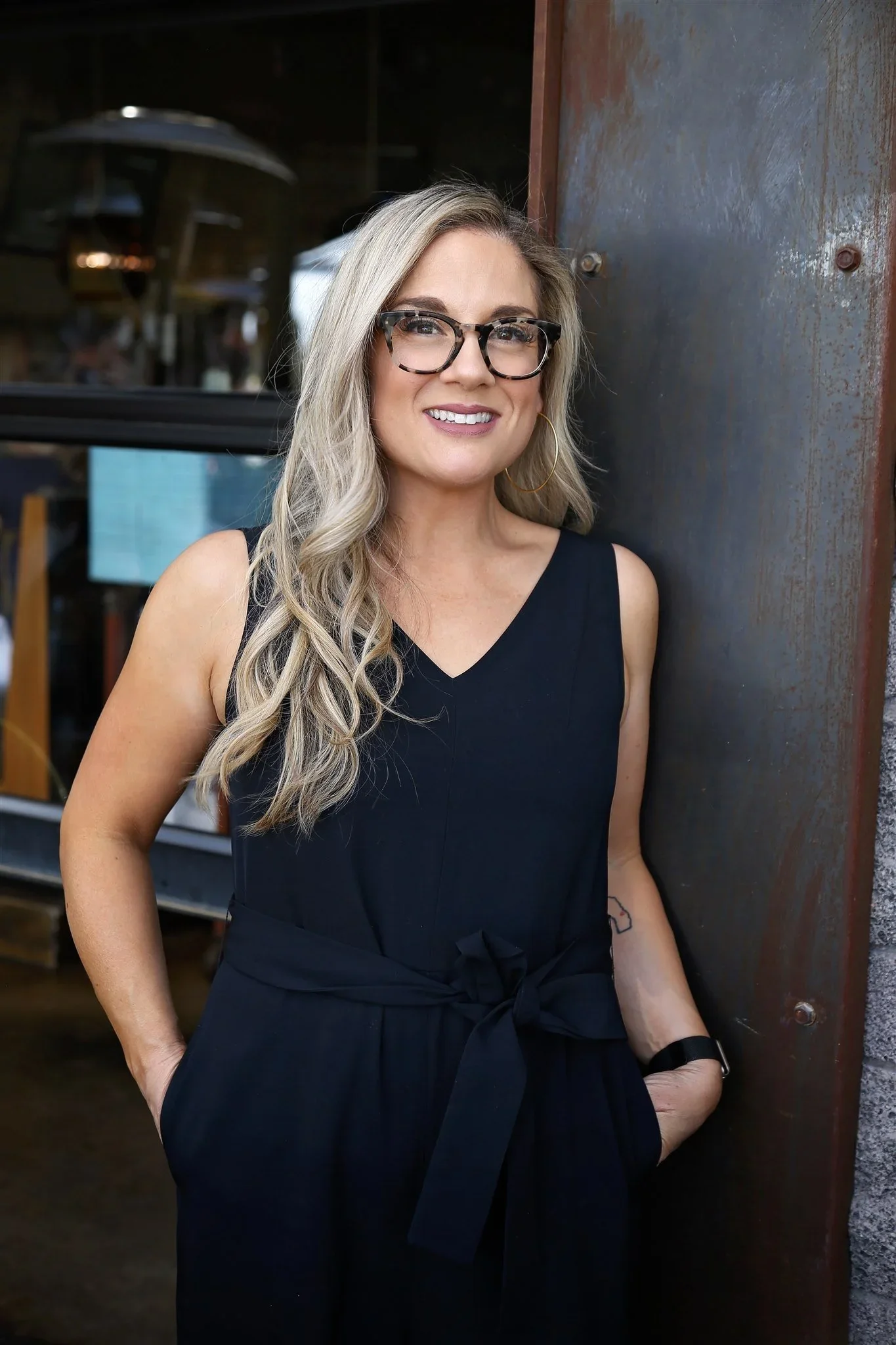
About Michelle Martinez
Michelle Martinez is a California-based Certified Wedding Consultant with over 20 years in the industry.
