

Wedding Scams to Avoid in the Sierra Foothills
Planning a wedding is already a lot. There’s the venue, the dress, the guest list, the budget spreadsheet that keeps changing its mind. Adding fraud prevention to the mix feels rude, but it matters. This post is adapted from the YouTube transcript you shared, featuring consumer-protection expert Adam Levin’s advice on identity theft, phishing, fake vendors, and wedding-related scams.
For couples planning in the Sierra Foothills, Nevada County, Grass Valley, or with guests coming from Sacramento, the goal is simple: stay excited, stay organized, and do not hand your deposit to someone whose entire business model is “trust me, babe.”
Quick Answers
The most common wedding scams involve fake vendors, counterfeit dresses, phishing emails/texts, and phony honeymoon offers.
Never book from a link in an email or text. Go directly to the company’s real website and verify reviews first.
Use credit cards when possible, turn on transaction alerts, and avoid sharing extra personal information at expos.
If a deal looks wildly cheap, wildly urgent, or wildly perfect, that’s your cue to slow down.
Wedding Scams to Avoid Before You Book
1) Fake wedding vendors
This is the big one. A scammer may pretend to be a photographer, DJ, planner, dress seller, rental company, or even a legitimate vendor you actually saw at an expo. Sometimes they use a similar business name, a polished website, and a very convincing “limited-time” offer.
What to do instead:
Look up the vendor independently, not through a link they sent.
Check reviews across multiple platforms.
Ask for a contract, business address, full legal name, and recent references.
Confirm they are the same company shown on social profiles and real wedding work.
This matters even more when you’re planning from a distance. Couples booking a winery wedding near Grass Valley or elsewhere in the Sierra Foothills may rely on online research more heavily, which makes independent verification non-negotiable.
2) Wedding expo scams
Wedding expos are fun. There are samples, giveaways, pretty tablescapes, and enough sales energy to power a small city. They can also be a gold mine for scammers.
If you sign a guest book, enter a giveaway, or hand over your email and phone number, that information can be used for phishing later. You might get an email, text, or phone call from someone claiming to be a vendor you met, when really they are just borrowing the vibe and hoping you’re busy enough not to notice.
A better expo rule:
Keep shared information minimal.
Take brochures and business cards home.
Research vendors later, on your own timeline.
Let them know you’ll reach out if interested.
That one sentence alone can save a lot of trouble: “Thanks, I’ll contact you directly after I’ve reviewed everything.”
3) Counterfeit dress scams
A designer gown at a suspiciously tiny price is usually not a miracle. It’s usually a problem wearing satin.
Counterfeit dress websites often use stolen photos, unrealistic prices, and vague contact information. The dress arrives late, looks nothing like the listing, or never shows up at all. By then, your fitting timeline is blown up and your stress level has entered orbit.
Use this checklist before ordering:
Read reviews before buying anything.
Look for real return policies and reachable customer service.
Make sure the website uses HTTPS.
Avoid sites that feel anonymous, overly rushed, or too-good-to-be-true.
Saving money is smart. Emergency dress shopping three weeks before the wedding is less smart.
4) Phony honeymoon packages
Scammers love travel because couples are already spending big, comparing deals, and moving fast. Fake honeymoon packages can look polished and romantic right up until the part where the reservation does not exist.
Book travel through:
a trusted travel advisor,
a well-established travel platform,
or the hotel, airline, or resort directly.
Before paying:
verify the company independently,
read recent reviews,
confirm the booking terms,
and avoid random “exclusive” offers that appear in banner ads, texts, or DMs.
For destination trips after a Sierra Foothills wedding weekend, keep the same rule: pretty photos are not proof.
5) Phishing, smishing, and vishing
These names sound made up by a committee, but the threat is real.
Phishing = scam emails
Smishing = scam texts
Vishing = scam phone calls
A scammer may pose as:
your venue,
your bank,
a bridal shop,
a honeymoon company,
or even a tax agency or shipping service.
Their goal is usually one of three things:
Get you to click a malicious link
Get you to share login or payment info
Get you to “confirm” personal details they can use later
The safest move is boring, which is why it works:
Do not click the link.
Do not open the attachment.
Go directly to the company’s real website.
Call the official number listed there if something seems off.
Boring is underrated. So are functioning bank accounts.
A practical checklist for safer wedding planning
Step 1: Vet every vendor independently
Before paying a deposit, confirm:
legal business name,
website,
reviews,
social media consistency,
contract terms,
payment schedule,
and a real way to contact them.
If you’re comparing Sierra Foothills venues, ask for everything in writing. Transparent pricing is a good sign, which is why it helps to review a venue’s wedding pricing and packages before you ever send money.
Step 2: Use safer payment habits
Whenever possible:
pay by credit card instead of debit card,
avoid wiring money unless thoroughly verified,
never give card details over a sketchy call,
and save every invoice, receipt, and contract.
Turn on transaction alerts for all cards and bank accounts. Not just purchases over a certain amount. Scammers often test with a small charge first, which is sneaky and, frankly, annoyingly effective.
Step 3: Protect your personal information
Wedding planning creates a lot of paper trails: dress quotes, registry mailers, venue postcards, hotel confirmations, and promotional offers.
Best habits:
shred sensitive mail with a cross-cut shredder,
avoid oversharing on public social media,
and be careful where you list your address, email, phone number, and wedding date.
That combination of details can help scammers build a profile over time. One scrap of information may not seem like much. Ten scraps can become a full headache.
Step 4: Double-check websites before purchasing
HTTPS is a good sign, but not a guarantee. A secure-looking website can still be part of a scam.
Before buying:
type the website address yourself,
confirm the domain is correct,
read outside reviews,
and look for real company details.
This is especially important for dresses, travel, rentals, and “flash sale” wedding extras. Fast decisions make easy targets.
Step 5: Give yourself breathing room
Scams work best when couples feel rushed. Build in time for verification, especially for:
dresses,
travel,
beauty services,
entertainment,
and any vendor asking for a large deposit upfront.
If you’re planning a smaller celebration, a streamlined option can reduce moving parts. Fewer vendors often means fewer opportunities for confusion, which is one reason some couples explore micro wedding options.
What a trustworthy wedding process should feel like
A legitimate venue or vendor should not make you feel cornered, confused, or oddly panicked on a Tuesday afternoon.
A good process usually includes:
clear communication,
written pricing,
readable contracts,
realistic timelines,
and no pressure to pay instantly from a text message.
If you want to see how a real venue presents its spaces and experience, start with an actual wedding gallery. Real work, real events, real couples. Always a nice change from mystery glamour shots attached to a suspicious Gmail address.
Final thought
The point of wedding scam prevention is not to make couples paranoid. It’s to make you hard to fool.
You do not need to become a cybersecurity professional before your wedding. You just need a few smart habits:
verify first,
pay carefully,
click less,
and slow down when something feels off.
And when you’re ready to work with people who keep details clear and communication straightforward, reach out through the contact page for Naggiar Winery Weddings. Your wedding planning should feel joyful, organized, and significantly lighter on fraud drama.
Local Signals
For Sierra Foothills and Nevada County weddings, many couples book vendors remotely first, so independent verification matters even more before sending deposits.
If guests are traveling from Sacramento, confirm hotel blocks, shuttle companies, and transportation vendors directly through official websites or phone numbers.
Grass Valley weddings often involve multiple moving parts across lodging, venue, and transportation, which makes written confirmations especially important.
Warm-season wedding dates can create urgency around booking, but “someone else is about to grab your date” is not a reason to skip vetting.
For winery weddings, always confirm the exact venue contact details and payment instructions before sending funds, especially if communication suddenly shifts to a new email address.
Pro Tips
Create one shared wedding email address just for planning. It keeps vendor communication organized and makes suspicious messages easier to spot.
Turn on transaction alerts for every card and bank account used in planning.
Save screenshots of vendor profiles, payment requests, and contracts before sending deposits.
Research first, pay second. Revolutionary, I know.
Common Mistakes
Clicking vendor links from emails or texts instead of going to the business directly.
Reusing the same password across wedding accounts, travel accounts, and personal accounts.
Buying a dream dress from a mystery website because the price looked “insane in a good way.”
Sharing too much personal information at expos, giveaways, or public social posts.
FAQs
1. What are the most common wedding scams?
The most common wedding scams involve fake vendors, phishing emails and texts, counterfeit dresses, and fraudulent honeymoon deals.
2. How can I tell if a wedding vendor is legitimate?
Check reviews across multiple platforms, verify the business independently, ask for a contract, confirm payment details, and make sure their website, socials, and contact information match.
3. Is it safer to pay wedding deposits by credit card?
Usually, yes. Credit cards generally offer stronger dispute options than debit cards, which can make fraud recovery easier.
4. Are wedding expos safe?
They can be, but couples should share minimal personal information, avoid booking on the spot, and research vendors independently afterward.
5. How do I avoid dress and honeymoon scams?
Buy only from established, reviewed sources, avoid unbelievably low prices, confirm website security, and never trust a random deal just because it looks polished.
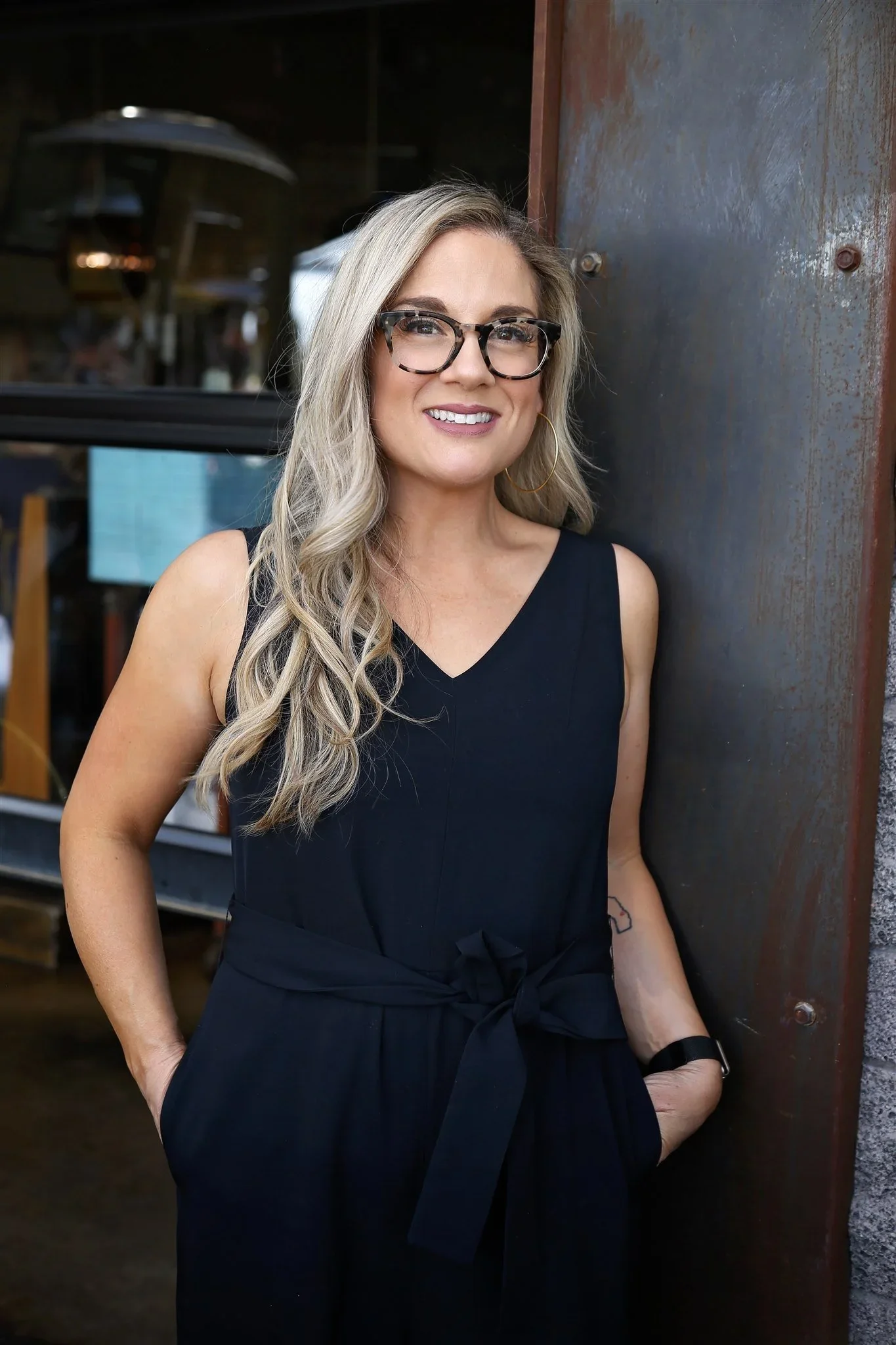
About Michelle Martinez
Michelle Martinez is a California-based Certified Wedding Consultant with over 20 years in the industry.
