

Wedding Scams: How to Protect Your Budget, Vendors, and Sanity
Quick Answers
The biggest wedding scams usually involve fake vendors, phishing emails/texts, counterfeit dresses, and phony honeymoon packages.
Never pay a vendor before verifying their website, reviews, contract, business identity, and payment terms.
Use credit cards when possible, turn on transaction alerts, and avoid clicking links from unknown texts or emails.
Planning at an established venue can reduce risk because trusted local vendor networks matter. A lot.
Wedding planning in the Sierra Foothills should feel exciting, not like you need a cybersecurity degree and a detective hat. But scams aimed at engaged couples are real, especially because weddings involve deposits, deadlines, emotional decisions, and a lot of “we need to book this now” pressure.
In a wedding-planning podcast transcript, consumer protection expert Adam Levin explains that identity, credit, and financial accounts are all connected—and that scammers can build a “mosaic” of someone using small bits of information like names, addresses, emails, social media posts, and payment details.
Translation: do not panic. Do get practical.
At Naggiar Winery Weddings, couples planning a vineyard wedding near Grass Valley, Nevada County, Sacramento, Auburn, and the Sierra Foothills often ask smart questions about vendors, deposits, and guest logistics. Here’s your no-drama guide to staying safe while planning the celebration.
Why Wedding Scams Work So Well
Weddings are high-emotion, high-spend, deadline-driven events. That makes couples tempting targets.
Scammers know you are juggling:
Venue tours
Catering decisions
Guest lists
Dress fittings
DJ quotes
Photographer contracts
Honeymoon plans
Family opinions from people who “just have one tiny suggestion”
That last one may be the most dangerous, but financially speaking, scams are close.
The key is to slow down before you send money, share personal information, or click a link.
Wedding Scams to Watch For
1. Fake Wedding Vendors
Fake vendors may appear through social media ads, expos, directories, email promotions, or even cloned versions of legitimate businesses.
Red flags include:
Prices that are dramatically lower than everyone else’s
Pressure to pay immediately
No physical business address
No recent reviews
No contract
Requests for payment through cash apps, wire transfers, or gift cards
Email addresses that do not match the business domain
Vague portfolios or stolen images
A real vendor should have a clear website, consistent branding, reviews, contracts, and professional communication.
Before booking, ask:
How long have you been in business?
Can I see a full gallery or sample work?
Do you have liability insurance?
What is included in the package?
What is your cancellation policy?
What happens if you are unavailable on the wedding day?
Can you provide references or recent reviews?
If you are planning at a venue with an established local network, ask for referrals. A venue team that has worked with photographers, florists, DJs, planners, and caterers can help you avoid “too good to be true” surprises.
Start with the venue first. You can explore winery wedding pricing and package options before committing to outside vendors.
2. Phishing Emails and Texts
Phishing is when scammers send fake emails designed to get you to click a link, download malware, or enter personal/payment information. Smishing is the text-message version. Vishing is the phone-call version.
Wedding examples may look like:
“Your bridal expo discount expires today”
“Confirm your vendor deposit here”
“Your dress order needs payment verification”
“Your honeymoon booking failed”
“You won a free wedding package”
Do not click first and investigate later. That is how chaos gets a chair at the reception.
Instead:
Go directly to the vendor’s official website
Type the URL yourself
Call the business using the number listed on its website
Do not provide payment details over an unexpected call
Do not open suspicious attachments
Watch for misspellings, odd sender addresses, and urgent language
If someone says, “We need your credit card right now to lock this in,” pause. A legitimate vendor will give you a secure, documented payment process.
3. Counterfeit Wedding Dresses
Online dress scams often use beautiful designer images and suspiciously low prices. The dress may arrive late, poorly made, incorrectly sized, or not at all.
Before buying a gown online:
Search the retailer’s name plus “reviews” and “complaints”
Confirm return policies
Check shipping timelines
Look for real customer photos
Avoid sellers with no phone number or physical address
Be cautious with huge discounts on designer gowns
Use a credit card rather than a debit card
A $4,000 dress listed for $299 is not a miracle. It is probably a polyester plot twist.
4. Phony Honeymoon Packages
Honeymoon scams can involve fake travel sites, fake resort packages, misleading third-party booking pages, or “exclusive” travel deals that disappear after payment.
Protect yourself by booking through:
A reputable travel agent
The hotel or resort directly
Well-known travel platforms
Verified tour companies with strong reviews
Be extra careful with:
International tour operators
Unfamiliar booking sites
Social media travel ads
“Secret” tours or too-cheap excursions
Requests for wire transfers
If you are traveling abroad, confirm transportation, resort policies, cancellation windows, and tour operator credentials before paying.
How to Vet Wedding Vendors Safely
Use this checklist before sending a deposit.
Vendor Safety Checklist
Confirm the business name, website, phone number, and email.
Read reviews across more than one platform.
Ask for a written contract.
Confirm deposit amount, balance due date, refund policy, and cancellation terms.
Verify insurance if relevant.
Review full galleries or examples, not just highlight reels.
Ask your venue whether they have worked with the vendor before.
Pay with a credit card when possible.
Save every receipt, invoice, and email.
Trust your gut when pressure feels aggressive.
For couples planning a vineyard wedding in Nevada County or near Sacramento, local knowledge matters. A vendor who understands rural venue logistics, weather patterns, lighting timing, transportation, and winery rules is worth more than a suspiciously cheap quote from three states away.
Want to see what a real Sierra Foothills winery wedding setting looks like? Browse the Naggiar Winery Weddings gallery.
Payment Safety for Wedding Planning
Wedding deposits add up quickly. Venue, photography, catering, flowers, music, attire, lodging, and honeymoon costs can all land within a few months.
Use these habits:
Turn on transaction alerts for bank accounts and credit cards.
Avoid debit cards for large wedding purchases when possible.
Never pay by gift card.
Avoid wire transfers unless you fully trust and verify the business.
Keep a wedding payment spreadsheet.
Set calendar reminders for payment deadlines.
Review statements weekly during active planning months.
Set alerts for all charges, not just big ones. Some scammers test accounts with small charges first.
Planning With Less Risk at a Winery Venue
A trusted venue helps you reduce uncertainty because you are not building the entire wedding from scratch.
At Naggiar Winery Weddings, couples can explore:
Winery wedding pricing for clear planning
Micro wedding options for smaller celebrations
Real wedding inspiration before choosing your style
Contacting the venue team with planning questions
The goal is simple: fewer unknowns, fewer sketchy links, and more time choosing between wine-country golden hour photos and dance-floor chaos. Ideally both.
Pro Tips
Create a separate wedding email address to manage vendor communication.
Use a password manager and unique passwords for wedding accounts.
Ask your venue which vendors they know and trust.
Save screenshots of quotes, package details, and payment confirmations.
Confirm vendor details by phone before sending large deposits.
Common Mistakes
Clicking links from unknown wedding promo texts.
Booking the cheapest vendor without checking reviews.
Paying through non-refundable methods.
Assuming an HTTPS lock means a website is automatically legitimate.
Waiting until the final month to verify contracts, payment schedules, and arrival times.
Sharing too much personal wedding information publicly on social media.
FAQs
What are the most common wedding scams?
The most common wedding scams include fake vendors, phishing emails or texts, counterfeit wedding dresses, fake honeymoon packages, and fraudulent payment requests.
How can I tell if a wedding vendor is legitimate?
Look for a professional website, recent reviews, a written contract, clear pricing, real galleries, insurance when applicable, and consistent contact information. Ask your venue if they have worked with the vendor before.
Is it safe to pay wedding vendors online?
It can be safe if you use a verified payment portal, confirm the vendor directly, and pay with a credit card when possible. Avoid wire transfers, gift cards, and rushed payment requests.
Should I book vendors from wedding expos?
Yes, but verify them afterward. Do not feel pressured to pay on the spot. Research reviews, confirm their official website, and ask for a contract before sending money.
How do I avoid honeymoon travel scams?
Book through reputable travel agents, direct hotel websites, or established travel platforms. Read reviews, verify tour operators, and avoid deals that require immediate wire payment.
Can a venue help me avoid wedding scams?
A reputable venue can help by recommending trusted local vendors, explaining realistic pricing, and helping couples spot planning red flags before they become expensive problems.
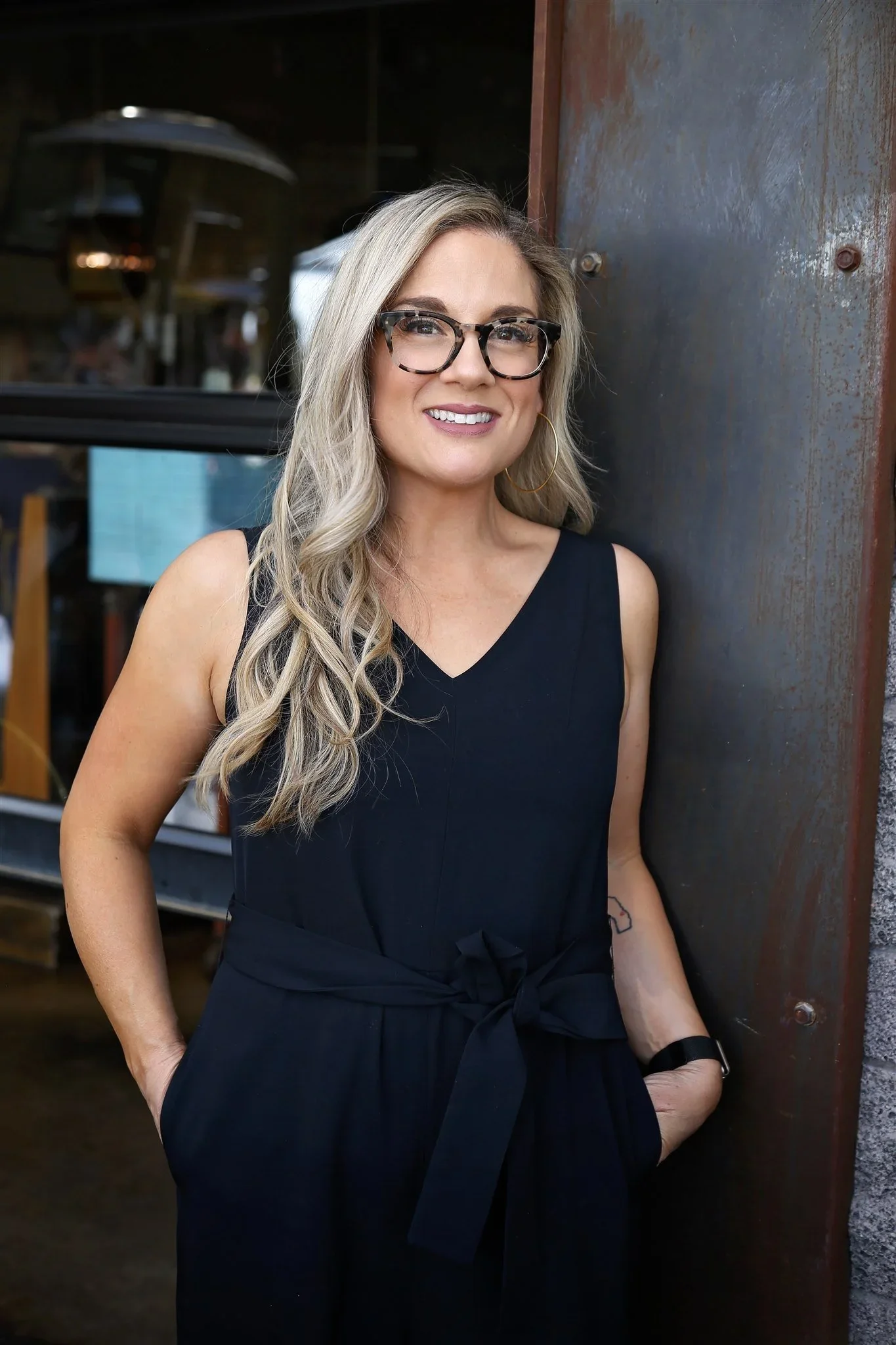
About Michelle Martinez
Michelle Martinez is a California-based Certified Wedding Consultant with over 20 years in the industry.
