

How to Have a Vietnamese Buddhist Wedding at a Winery
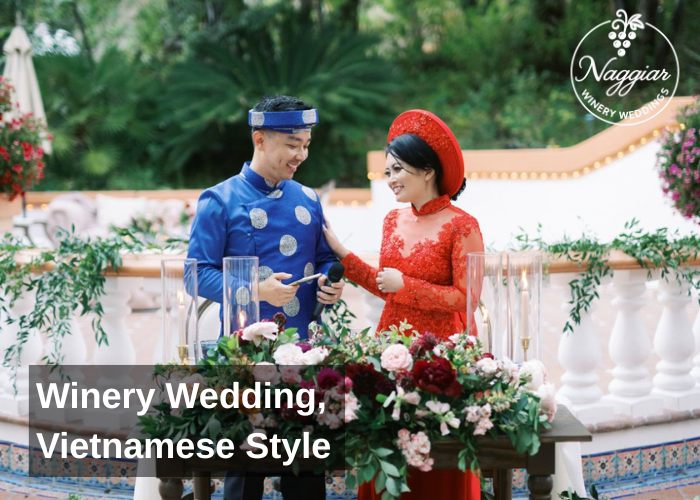
Quick Answers (read this first)
Yes—you can combine a Vietnamese tea ceremony (lễ gia tiên) + Buddhist blessings with a winery celebration by splitting events across spaces and time blocks.
Plan for altar/offerings, incense/flame rules, and a quiet moment for readings/meditation before vows.
Many couples handle the legal paperwork separately and treat the Buddhist portion as a spiritual blessing (more flexibility, less stress).
Your best friend: a timeline that protects the meaningful parts and still gets you to cocktail hour.
The vibe: tradition meets vineyard (and it totally works)
A Vietnamese Buddhist wedding is about family, respect, gratitude, and blessings—which honestly pairs beautifully with a winery setting where everyone is already gathered to celebrate, eat, and toast the future.
If you’re planning in Nevada County / Grass Valley (hello, Sierra Foothills magic) and your guest list includes a mix of Vietnamese elders, Buddhist family members, and friends who’ve never encountered a tea ceremony in the wild—this guide is for you. (Also for the friend who will ask, “So… is there a dress code?” five times.)
What “Vietnamese Buddhist wedding” can mean (so you can design yours)
There isn’t one single script. Most couples mix and match, based on family tradition and temple guidance. Common elements include:
1) Vietnamese family traditions (tea ceremony / ancestor honoring)
The Vietnamese wedding tea ceremony often includes family introductions, blessings, offerings/incense for ancestors (bàn thờ gia tiên), and the couple serving tea to elders.
You may also include presentation-style gifts (often referenced as mâm quả) depending on how traditional your families want to be.
2) Buddhist blessing elements
A Buddhist wedding component often includes readings/teachings, prayers or meditation, blessings (sometimes by a monk), and rings/vows as a unity moment.
If you’re doing a temple-based ceremony, you may hear it referred to as a temple wedding/blessing ceremony (terms and customs vary by community and lineage).
Key takeaway: You can absolutely host the celebration at a winery while honoring Buddhist elements—just coordinate what must happen where.
The best winery-friendly format: split the day into “sacred” + “celebratory”
Here are three layouts couples love, especially when elders want tradition and friends want a party.
Option A: Tea ceremony at home + winery ceremony & reception
Best for: keeping lễ gia tiên truly traditional.
Morning: Tea ceremony at a family home (or a private suite)
Afternoon: Vineyard ceremony + reception
Option B: Tea ceremony on-site (private room) + vineyard ceremony
Best for: convenience (and fewer vehicles caravanning like it’s a movie scene).
Use a private indoor space for altar/tea
Move everyone outdoors for vows
Winery tip: Ask your venue what’s allowed for incense/flames and what alternatives work (LED candles, symbolic offerings, etc.).
Option C: Temple blessing on a separate day + winery celebration day
Best for: families who want a temple setting, plus a relaxed winery timeline.
Day 1: temple blessing
Day 2: winery ceremony + reception
This also lines up with the common reality that some couples do a civil/legal ceremony separately.
A sample timeline that protects the meaningful moments
Use this as a starting point (adjust for season, travel, and how many aunties insist on photos).
10:00 AM – Tea ceremony (private)
Set up: bàn thờ gia tiên, offerings, tea service, seating for elders
12:00 PM – Break / lunch / travel buffer
3:30 PM – Guests arrive at winery (hello, Sierra Foothills sunshine)
4:00 PM – Vineyard ceremony
Optional: brief meditation/prayer moment
Vows + rings
Short blessing/reading (monk or officiant, as appropriate)
4:30 PM – Cocktail hour (aka “hydration with style”)
5:45 PM – Dinner + toasts
7:00 PM – First dance + open dance floor
Golden hour – Photos in the vines (your future selves will thank you)
Planning checklist: Vietnamese Buddhist details that matter at a winery
Ceremony & faith coordination
☐ Confirm who is leading the Buddhist portion (monk, family elder, officiant) and what they need (mic, seating, water, quiet time).
☐ Decide: spoken vows, shared vows, or quiet vows (Buddhist ceremonies can be flexible).
☐ If doing a temple blessing, confirm schedule, attire guidance, and offerings expectations with the temple.
Tea ceremony essentials (lễ gia tiên)
☐ Altar plan: flowers, fruit, desserts, incense/alternatives (and a respectful setup location).
☐ Tea set + tray + cups (and someone assigned to quietly manage refills)
☐ Seating order for elders + a run-of-show so no one is confused mid-pour
☐ Áo dài timing: decide whether you’ll wear it for tea ceremony only or also for reception entrances
Venue practicality
☐ Confirm venue rules for incense, candles, fire, smoke, and outside food offerings
☐ Choose a private room for tea ceremony (barrel room vibes can be gorgeous—just keep it respectful and uncluttered)
☐ Sound plan: a handheld mic for readings + a quiet moment before music starts
How to make it feel cohesive (not like two weddings taped together)
Try one or two of these “bridge” moves:
Program card language: a 2–3 sentence explanation of the tea ceremony and/or blessing for guests who are new to it.
Reception nods: Vietnamese dessert table, family-style toasts, or a short gratitude moment before dinner.
Design continuity: carry colors from áo dài or altar florals into your reception centerpieces.
“What should we tell guests?” (a script you can borrow)
Keep it simple and warm:
“We’ll include a Vietnamese tea ceremony and a short Buddhist blessing as part of our celebration. You’re welcome to observe quietly, take cues from the officiant, and join us afterward for food, wine, and dancing.”
How Naggiar Winery Weddings can support this (without making it weird)
If you’re looking at a winery wedding in the Sierra Foothills / Nevada County area, you’ll want a venue that can handle:
a private space for tea ceremony setup
a smooth ceremony-to-cocktail transition
photo-friendly vineyard and sunset spots (golden hour is undefeated)
You can start by reviewing Naggiar Winery wedding pricing here.
Or explore intimate options on our Micro Weddings page.
Want inspiration? Browse the winery wedding gallery.
Ready to talk dates and logistics? Reach out via our wedding inquiry contact form.
Regional Info
Sierra Foothills evenings (Grass Valley/Nevada County) can cool down fast—plan shawls/jackets if your ceremony runs near sunset.
If you have guests coming from Sacramento or Roseville, build in drive-time buffer (especially for Friday traffic and weekend events).
For family traveling from Lake Tahoe, consider earlier start times and clear signage—mountain travel + wedding schedules = a bold combo.
Outdoor ceremony lawns are gorgeous, but always have a simple rain/cold backup plan for spring and late fall.
If elders prefer minimal walking, prioritize close drop-off and nearby seating before the ceremony begins.
Pro tips
Assign a “tea ceremony captain” (a cousin is ideal; a cousin with a clipboard is elite).
Keep the Buddhist blessing portion short and intentional—2–6 minutes can be powerful.
Ask the venue about incense/candle policies early so you can choose respectful alternatives if needed.
Put your tea ceremony on the timeline like it’s the main event—because to your families, it is.
Common mistakes
Trying to do tea ceremony + full ceremony + full reception with zero buffer (your makeup artist will cry).
Not explaining traditions to non-Vietnamese guests (confusion spreads faster than champagne).
Forgetting seating order and elder accessibility during tea ceremony.
Scheduling photos during the only quiet moment you wanted for blessings.
FAQs
Can we do a Vietnamese tea ceremony at a winery?
Often, yes—if your venue can provide a private space and allows your setup (altar items, offerings, and any incense/flame alternatives). Tea ceremony traditions commonly include ancestor honoring and serving tea to elders.
Do Buddhist weddings require a monk?
Not always. Many Buddhist wedding ceremonies include blessings, readings, meditation/prayer, and ring exchange; some are led by monks, others by an officiant with Buddhist elements.
Should we do the legal ceremony separately?
Many couples do, which gives flexibility for the Buddhist blessing ceremony and venue timing.
What are “mâm quả” and do we need them?
They’re traditional gift trays presented during Vietnamese wedding rituals in many families. Whether you include them depends on your family tradition and how formal you want the ceremony to be.
How do we explain the traditions to guests unfamiliar with them?
Use a short program note, have your officiant give a one-minute explanation, and encourage guests to follow cues (standing, sitting, quiet moments).
