

Same-Sex Wedding Aisle Ideas for Winery Ceremonies
Family dynamics have a funny way of RSVP’ing “yes” before the invitations even go out.
For same-sex couples planning a winery wedding in the Sierra Foothills, one deceptively simple question can get emotionally complicated fast: Who walks each partner down the aisle?
Maybe one partner has two supportive parents and wants both of them involved. Maybe the other has one parent present, an absent parent, a complicated relationship, or no desire to be “given away” at all. That is not unusual. Wedding planning has a talent for bringing family history to the surface like a cork in a very emotional bottle.
The good news: you have options. Beautiful ones.
This post is inspired by a wedding planning question about two women getting married, where one partner wanted both parents to walk her down the aisle and the other did not want her parents involved in that way. The transcript emphasized that family drama often bubbles up during wedding planning, and that couples should choose what feels true rather than forcing tradition for tradition’s sake.
Quick Answers: Same-Sex Wedding Aisle Ideas
You do not need anyone to walk you down the aisle. Tradition is optional. Love is the required part.
Both partners can walk alone and meet in the middle. Then walk the rest of the aisle together.
A meaningful person can escort you. Think sibling, grandparent, aunt, uncle, chosen family, or close friend.
Parents can still be honored without escorting anyone. A hug, kiss, standing moment, or front-row acknowledgment can be deeply meaningful.
Why Same-Sex Wedding Aisle Traditions Deserve a Fresh Look
Traditional aisle etiquette was built around one bride, one groom, and a symbolic “giving away.” Many modern couples—especially LGBTQ+ couples—are rethinking that structure.
And honestly? Good.
Your ceremony should reflect your relationship, not a template that never quite fit in the first place. At a vineyard wedding, the aisle is not just a walkway. It is the emotional runway into your marriage. No pressure. Just, you know, the opening scene of the whole thing.
For couples getting married at a winery near Grass Valley, Nevada County, Sacramento, Auburn, or the Sierra Foothills, the setting already gives you a naturally romantic framework: estate vines, open ceremony lawns, golden hour portraits, wine-country views, and plenty of room to design a processional that feels personal.
Option 1: Each Partner Walks Alone, Meets in the Middle, Then Walks Together
This is one of the most elegant ceremony options for same-sex couples.
Here’s how it works:
Create two side aisle entrances or a break in the ceremony rows.
Each partner enters separately.
You meet at the center aisle.
Then you walk together toward the ceremony space.
It is symbolic without being overly choreographed. It says, “We each arrived as ourselves, and now we move forward together.” Which is much better than, “We spent three weeks arguing about aisle assignments and now everyone is tense.”
At a winery ceremony, this can look especially beautiful if timed with the landscape. Imagine both partners entering from opposite sides of the ceremony lawn, meeting between rows of seated guests, then walking together toward the arbor with vineyard views behind them.
Very cinematic. No drone required, though we won’t stop you.
Option 2: Both Partners Walk With Their Parents
For some couples, this feels right. One partner walks with her parents, the other walks with hers. Or one walks with two moms, two dads, stepparents, guardians, or any combination that reflects real life.
This works best when both partners feel genuinely good about the people accompanying them.
A quick gut-check:
Will you be happy seeing this moment in photos 20 years from now?
Are you choosing this because it feels right, or because someone is pressuring you?
Does this honor your relationship as it actually is?
Will this create peace, resentment, or both?
The transcript wisely points out that these choices can send a strong message, especially when a parent is present but not included. That does not mean you must include them. It means you should make the decision consciously.
Option 3: One Partner Walks With Parents, One Walks Alone
This can work, but it is the option that may feel the most emotionally uneven.
If one partner walks with two loving parents and the other walks alone, guests may notice the contrast. More importantly, the partner walking alone may feel it. Or not. That depends entirely on the person and the family history.
This option may be right if:
The partner walking alone genuinely prefers it.
There is no desire to create visual symmetry.
The choice feels empowering, not painful.
Everyone understands that “different” does not mean “less meaningful.”
A solo aisle walk can be powerful. It can say, “I am here by my own choice.” That is no small thing.
Option 4: Ask a Sibling, Grandparent, Aunt, Uncle, or Chosen Family Member
If a parent is absent, estranged, or simply not the right person for the role, choose someone who has actually shown up for you.
Possible escorts include:
A sibling
A grandparent
An aunt or uncle
A close cousin
A best friend
A mentor
A chosen family member
Your child, if applicable
This is especially meaningful for couples who want the emotional support of walking with someone but do not want to force a parent-child moment that does not feel honest.
At Naggiar Vineyards & Winery, this kind of processional works beautifully on the ceremony lawn because there is room to pace the entrance naturally and allow the moment to breathe. You can browse real ceremony inspiration in the Naggiar winery wedding gallery.
Option 5: Walk In Together From the Start
Some couples skip separate entrances entirely and walk in together.
Simple. Strong. Very “we are not overcomplicating this before dinner.”
This option works especially well if:
You are having a smaller guest count.
You want a modern, low-drama ceremony.
You do not like the idea of one person waiting at the front.
You want to enter as equals from the first step.
For intimate ceremonies, this can feel warm and grounded. It is also a natural fit for couples considering a smaller celebration or weekday event. You can explore options for intimate celebrations on the micro weddings page.
Option 6: Honor Parents Once You Reach the Ceremony Space
You can separate “walking down the aisle” from “honoring family.”
For example:
Both partners walk alone or together.
Parents or key family members sit in the front row.
When the couple reaches the ceremony space, each partner hugs or kisses their loved ones.
Parents are acknowledged without escorting anyone.
This is a graceful middle ground. It lets supportive parents feel included while avoiding an aisle structure that feels lopsided or uncomfortable.
It also photographs beautifully. Front-row hugs, emotional reactions, and ceremony-lawn light? Your photographer will be quietly thrilled.
How to Decide What Feels Right
Use this checklist before making your final ceremony decision.
Ask Yourselves
What aisle option feels most honest to us?
Are we trying to please someone at our own expense?
Will this choice make the ceremony feel peaceful?
Are we comfortable with the message this sends?
Will we be glad to see this moment in our wedding photos years from now?
Does the plan feel balanced for both partners?
Talk Through the Emotional Stuff Early
Do not save family processional conversations for the week of the wedding.
That week is for final guest counts, seating charts, and wondering why one uncle has suddenly become a dietary philosopher. Handle emotional ceremony decisions earlier.
A good timeline:
6–9 months out: Discuss family roles and boundaries.
3–4 months out: Confirm ceremony structure with your planner or venue coordinator.
1–2 months out: Share processional details with family members involved.
Rehearsal: Practice the aisle plan so no one improvises.
Winery Wedding Ceremony Flow Example
Here is one simple processional structure for a same-sex winery wedding:
Guests are seated with wine-country views.
Immediate family is seated in the front rows.
Partner A enters from one side aisle.
Partner B enters from the opposite side aisle.
The couple meets at the center aisle.
They walk together toward the ceremony lawn arbor.
Each partner acknowledges parents or chosen family with a hug.
The ceremony begins.
It is clean, meaningful, and guest-friendly. Nobody needs a flowchart. Always a win.
Planning Your Ceremony at Naggiar Vineyards
A vineyard setting gives couples more flexibility than many traditional ceremony spaces. You are not locked into a narrow aisle or one expected entrance pattern. At Naggiar Vineyards, couples can use the natural layout, ceremony lawn, vines, and golden-hour light to create a processional that feels personal and relaxed.
For couples comparing venues, guest counts, and package details, start with Naggiar winery wedding pricing. For questions about ceremony flow, availability, and whether your processional idea is logistically brilliant or mildly chaotic, reach out through the Naggiar wedding contact page.
Pro Tips
Decide what the aisle moment means to you before deciding who participates.
Use the rehearsal to practice pacing, hugs, handoffs, and where everyone stands.
Give your photographer the processional plan in advance so they can capture both partners well.
Common Mistake
Including a family member only to avoid conflict, then regretting the photos later.
Assuming both partners need matching aisle experiences. Meaning matters more than symmetry.
Waiting too long to tell parents they are—or are not—walking with you.
FAQs
Who walks down the aisle at a same-sex wedding?
Anyone the couple chooses. Each partner can walk alone, walk with parents, walk with chosen family, enter together, or meet in the middle and walk the rest of the aisle as a couple.
Do both partners need the same aisle arrangement?
No. The aisle arrangements do not have to match. However, couples should talk through whether the difference feels empowering, uncomfortable, or emotionally uneven.
Can we walk down the aisle together?
Yes. Walking in together is a modern, meaningful option for same-sex weddings and works especially well for intimate ceremonies, winery weddings, and couples who want an equal entrance.
How can we honor parents without having them walk us down the aisle?
Seat parents in the front row and acknowledge them with a hug, kiss, flower, reading, or special mention during the ceremony. This keeps them included without forcing an escort role.
What if one partner has complicated family dynamics?
Choose the option that feels emotionally honest. A sibling, grandparent, friend, or chosen family member can walk with that partner, or they can walk alone or with their future spouse.
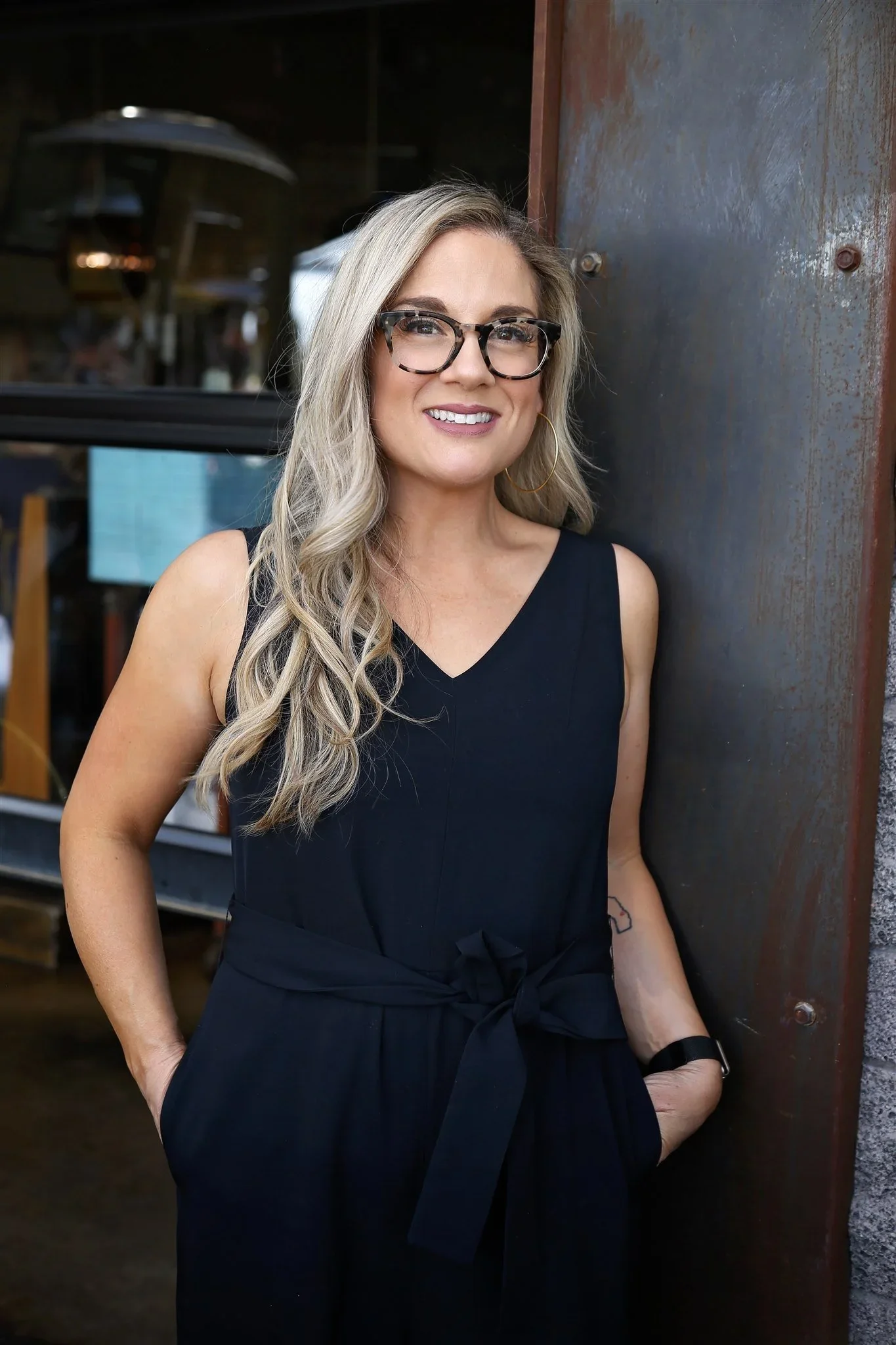
About Michelle Martinez
Michelle Martinez is a California-based Certified Wedding Consultant with over 20 years in the industry.
