

Planning a Punjabi Wedding: A Practical Guide for a Joyful, Seamless Celebration
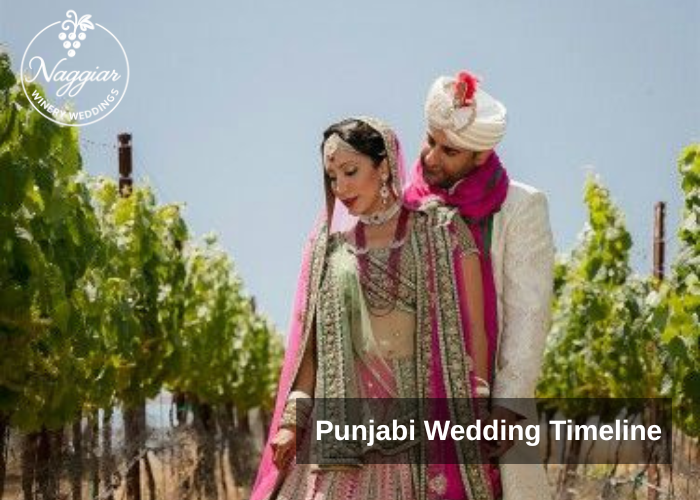
If you’re planning a Punjabi wedding in the Sierra Foothills (Nevada County / Grass Valley, with guests flying into Sacramento), you’re in the right place. Punjabi weddings are vibrant, meaningful, and beautifully layered—aka: you’ll have more moving parts than a baraat horse with opinions.
Below is a clear, no-fluff guide to the key events, how to build a timeline, and how to keep guests happy (and hydrated) from Jaggo to Vidaai.
Quick Answers
Start planning 10–14 months out if you want peak dates + top vendors; 6–9 months can work for smaller guest counts.
Most Punjabi weddings run 2–3 days, with 6–10 total “moments” (ceremonies + receptions).
Prioritize logistics early: sound permits, shuttle routes, weather plans, and a venue that can handle a baraat.
Build buffer time—Punjabi weddings run on love, not clocks.
What makes a Punjabi wedding “Punjabi” (in the best way)
Punjabi wedding celebrations often include a mix of Sikh and/or Hindu traditions depending on the couple and families. The common thread: community, music, ritual, and a whole lot of heart.
Typical Punjabi wedding events (mix-and-match by family tradition):
Roka / Thaka (formal “yes, it’s happening” moment)
Chunni / Kurmai (engagement-related ceremony, varies)
Mehndi (henna + music + snacks you’ll think about for years)
Jaggo (late-night singing/dancing procession—energy: unstoppable)
Haldi / Vatna (turmeric paste ceremony, often daytime)
Baraat (groom’s procession—bring the dhol, obviously)
Milni (family greetings)
Anand Karaj (Sikh wedding ceremony) or Hindu pheras
Reception (grand entrance, speeches, dancing, and “just one more song”)
Vidaai / Doli (farewell)
Pro move: choose the rituals that matter most to your families and skip what feels like “we’re doing this because someone’s cousin said so.”
Your Punjabi wedding planning timeline (realistic, not magical)
Here’s a planning flow that works especially well for destination-ish weddings in the Sierra Foothills / Nevada County.
10–14 months out
Lock your venue(s) and date(s) (especially if you want spring/fall)
Book key vendors: planner/coordinator, photographer, DJ/MC, caterer
Draft your event list: Mehndi/Jaggo + wedding + reception (or more)
Decide approximate guest count (even a range helps)
If you’re venue shopping, peek at package options and what’s included so you’re not surprised later by rentals, staffing, or time limits. Start with wedding pricing and inclusions here: https://www.naggiarwineryweddings.com/pricing
6–9 months out
Book hair/makeup, dhol, decor/florals, transportation
Confirm ceremony type (Anand Karaj / pheras / hybrid events)
Choose attire direction (shopping and alterations take time)
Start hotel room blocks near Grass Valley / Nevada City or Sacramento
3–5 months out
Finalize your day-by-day schedule (with buffers!)
Plan guest comms: website, welcome notes, and shuttle details
Meet with your coordinator to map: ceremony flow, entrances, family photos, reception pacing
4–8 weeks out
Confirm final headcounts + seating plan
Reconfirm vendor arrival times and sound needs
Print programs if desired (especially helpful for non-Punjabi guests)
Final walkthrough with venue + coordinator
Need a smaller, streamlined option (fewer events, still high-impact)? Check out Micro Weddings.
Building a Punjabi wedding weekend schedule (sample timelines)
Use these as starting points. Your traditions + guest travel will decide the final version.
Option A: Two-day celebration (popular + efficient)
Day 1 (late afternoon/evening): Mehndi + Sangeet-style party
Day 2 (morning/early afternoon): Baraat + ceremony + lunch
2 (evening): Reception
Option B: Three-day celebration (more traditional pacing)
Day 1: Mehndi
Day 2: Haldi + Jaggo (evening)
Day 3: Baraat + ceremony + reception
Timing tip: If you’re doing a daytime ceremony, plan shade + hydration + a plan for makeup touch-ups (golden hour is gorgeous, but so is not melting).
Want visual inspiration for how winery spaces translate on camera? Browse the wedding gallery.
Venue + logistics: the stuff that saves your sanity
Punjabi weddings are guest-forward. That’s a compliment. It also means logistics matter.
Key venue questions (Punjabi-edition)
Can we host a baraat procession (space + sound)?
Is there a backup plan for weather (rain/wind/heat)?
What are the sound rules (especially for dhol + DJ)?
Is there enough room for dance floor + staging + entrances?
Can the site support multiple events or quick flips?
Are there vendor-friendly load-in paths (decor can be… extensive)?
Guest experience essentials
Shuttles if roads are rural or parking is limited
Clear start times (with “arrive by” guidance)
Food pacing that respects ceremony timing (hangry guests are… expressive)
A welcome sign / program explaining key rituals for mixed-culture groups
When you’re ready to talk dates, guest flow, and what your weekend could look like at our winery, reach out here.
Food, music, and the dance floor (where legends are made)
Punjabi weddings and great food go together like dhol and “one more round.”
Catering: confirm veg/non-veg balance, spice levels, and late-night snacks
Bar: consider signature cocktails + NA options (and plenty of water stations)
Music: coordinate DJ + dhol so transitions feel intentional
Reception pacing: entrances → first dance → parent moments → open dancing (with planned “hits” to keep energy up)
Pro Tips
Assign a family point-person per side for ceremony cueing and group photos.
Add 30–45 minutes of buffer before major moments (baraat, ceremony start, reception entrance).
Provide simple ritual explanations in a program or welcome sign for mixed guest groups.
Build a “vendor cheat sheet” with contacts, timing, and load-in instructions.
Common Mistakes
Scheduling baraat + ceremony + photos with zero buffer (bold. risky.)
Underestimating how long outfit changes and jewelry take.
Not planning shade/hydration for daytime events.
Forgetting transportation until the last month.
FAQs
Q1: How many days is a Punjabi wedding typically?
Most are 2–3 days, often with Mehndi/Jaggo, a wedding ceremony day, and a reception (sometimes combined).
Q2: What’s the most important part of the Punjabi wedding timeline?
Buffer time. Add 30–45 minutes before baraat, ceremony start, and reception entrances to keep everything calm and on-track.
Q3: Can we do a Punjabi wedding with fewer events?
Yes—many couples choose Mehndi + wedding + reception (2 days) or even a streamlined version for smaller guest counts.
Q4: What should we tell guests who are new to Punjabi wedding traditions?
Include a short program/welcome sign: what the baraat is, what the ceremony will look like, and when food is served. Guests love context.
Q5: What’s the biggest logistics issue for Punjabi weddings at scenic venues?
Usually sound rules + transportation + weather plan—especially if you’re bringing in dhol, hosting outdoors, or have guests spread across hotels.
