

Planning a Korean Wedding: Traditions, Timeline, and Tips in the Sierra Foothills
Quick Answers
Decide early: Will you include a pyebaek/paebaek (traditional family ceremony)? It affects timeline + space needs.
Best flow: Modern ceremony → cocktail hour → reception → pyebaek (private or semi-private) works beautifully.
Guest clarity: A short printed guide + bilingual emcee = fewer “what’s happening?” whispers.
Venue fit: Prioritize flexible spaces for ceremony, reception, and a quieter pyebaek setup.
Why “planning a Korean wedding” is really two weddings (in the best way)
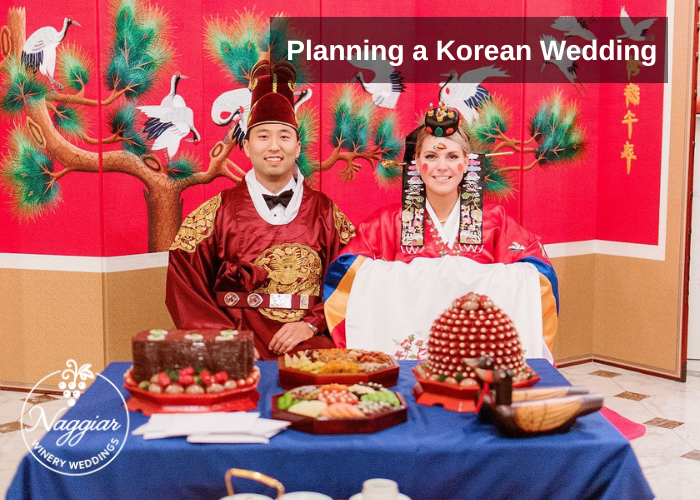
A Korean wedding often blends a modern ceremony (processional, vows, ring exchange) with traditional elements that honor family and heritage—most commonly the pyebaek/paebaek ceremony, plus attire like hanbok and symbolic touches.
The secret is not choosing tradition vs. modern. It’s choosing which traditions matter most to you, then designing a timeline that doesn’t require teleportation (or guests who can read your mind).
If you’re hosting in the Sierra Foothills—or around Nevada County, Grass Valley, or Sacramento—you’ll also want to plan for travel time, mountain-sunset timing, and weather that can go from “perfect patio” to “where did my wrap go?” real fast.
Korean wedding traditions you might include (pick your favorites)
Here are common elements couples blend into a Korean wedding—use them like a menu, not a rulebook.
1) Pyebaek/Paebaek (family ceremony)
Traditionally held after the modern ceremony, the pyebaek is a meaningful moment to honor elders and family. Modern versions can be:
Private (just family + photographer)
Semi-private (family + wedding party)
Guest-invited (shortened so it’s engaging for everyone)
Planning note: You’ll need a quiet space, a table setup, and a clear start time so it doesn’t collide with dinner service.
2) Hanbok and attire changes
Many couples:
Wear Western formalwear for the modern ceremony
Change into hanbok for pyebaek or a reception entrance
Planning note: Add 20–30 minutes for changing + photos. Also: assign a “zipper hero” (someone calm under pressure).
3) Bilingual ceremony details
Even a few bilingual touches can make everyone feel included:
Program with brief explanations
Officiant or emcee who can translate key moments
A short “what to expect” intro before pyebaek
4) Symbolic family moments
Options that work well at winery venues:
Family bow or greeting moment
Parent procession
Toast honoring elders
Photo list that includes both families (so nobody’s aunt gets accidentally skipped)
Step-by-step: planning a Korean wedding without timeline chaos
Step 1: Define your “must-have” tradition list (and your “nice-to-have” list)
Write down:
Must have (e.g., pyebaek, hanbok, Korean dessert table)
Nice to have (e.g., traditional music, specific rituals, longer pyebaek)
Not for us (it’s okay!)
This gives you clarity before you book vendors or lock a timeline.
Step 2: Choose your wedding structure
Here are three proven formats:
Option A: Modern-first, pyebaek later (most common + smooth)
Ceremony
Cocktail hour
Reception (entrances + dinner)
Pyebaek (private/semi-private)
Dancing / party
Option B: Pyebaek as a featured “show-and-tell” moment
Shorten it, explain it, keep it moving
Great if you want guests to understand the tradition without a long pause
Option C: Separate-day pyebaek (maximum calm)
Pyebaek on the day after (or morning-of) with immediate family
Wedding day stays streamlined
Step 3: Build a timeline with real buffers (not wishful thinking)
Use buffers like they’re non-negotiable:
15 minutes for guest movement between spaces
20–30 minutes for outfit change into hanbok
10 minutes “something will happen” margin (because it will)
Sample timeline (late afternoon ceremony, winery-friendly)
2:00–3:30 Photos + getting ready
4:00 Ceremony
4:30 Cocktail hour + family photos
5:45 Grand entrance
6:00 Dinner
7:00 Pyebaek (private/semi-private)
7:30 Toasts + cake
8:00 Dancing
Step 4: Plan food in a way that respects both vibes
You can absolutely mix it up:
Korean-inspired bites at cocktail hour
A favorite Korean dish as a late-night snack
Dessert table with Korean sweets + classic wedding cake
If you’re planning a winery wedding, think about food that pairs well with wine and travels well in service timing.
Step 5: Make guest communication ridiculously clear (you’ll thank yourself)
Include:
One-paragraph explanation of pyebaek (if guests will see it)
Dress code guidance (especially if attire is more formal)
Transportation + lodging suggestions
Timeline highlights in the program
Winery venue considerations (because a Korean wedding needs a few extra “spaces”)
A Korean wedding can be extra smooth at a flexible venue where you can create zones:
Ceremony lawn: scenic + straightforward seating
Reception space: dinner + dancing with good flow
Quiet pyebaek corner/room: calm, photogenic, not in the main traffic lane
Golden hour photo spots: vineyards, barrel room, or a sunset-facing overlook
If you’re exploring an intimate format, check out micro wedding options that work beautifully with cultural traditions: Micro wedding packages at Naggiar Winery Weddings.
Want transparent numbers first? Here’s the full breakdown: Naggiar Winery Weddings pricing and packages.
And if you’re in planning mode (aka spreadsheet season), you can peek at real setups in the winery wedding gallery for ceremony and reception inspiration.
How to make a pyebaek feel meaningful (not confusing)
If guests are attending, do three things:
Explain it in one minute (emcee or program)
Keep it visually focused (good lighting, clear “stage” area)
Set a time box (10–20 minutes if guests are watching)
If it’s private, you can slow down and savor it—no rush, no audience management, just family and photos.
Vendor tips specific to Korean wedding planning
Photographer: Make sure they’ve shot cultural ceremonies—or are excited to learn. Provide a ritual shot list.
HMUA: If you’re wearing hanbok, confirm hairstyle + accessories ahead of time (fit matters).
DJ/Emcee: A bilingual emcee is a power move. Even partial bilingual support helps.
Coordinator: Cultural elements = extra moving parts. A coordinator keeps it elegant, not frantic.
Ready to talk through what this looks like at a Sierra Foothills winery venue? Reach out here: Contact Naggiar Winery Weddings to start planning.
Pro Tips
Treat pyebaek like a “mini-ceremony” with its own start time, space, and lighting plan.
Add one simple printed explanation of key traditions—guests love context.
Schedule hanbok photos before guests arrive if you want more time and fewer interruptions.
Common Mistakes
Underestimating outfit-change time (it’s never 5 minutes).
Letting pyebaek collide with dinner service—everyone loses, including the food.
No bilingual support at all—small translations go a long way.
FAQs
Q1: What is a pyebaek/paebaek ceremony?
A: It’s a traditional Korean family ceremony, often held after the modern wedding, focused on honoring elders and celebrating family.
Q2: Do we have to do a pyebaek at a Korean wedding?
A: No. Many couples include it, shorten it, make it private, or skip it entirely—choose what feels meaningful.
Q3: When should the pyebaek happen in the timeline?
A: Most commonly after the modern ceremony and cocktail hour—either before dancing or as a private family moment during reception.
Q4: Can we do a Korean wedding at a winery venue?
A: Yes—winery venues often work well because you can create distinct spaces for ceremony, reception, and a quieter pyebaek setup.
Q5: How do we help guests understand Korean wedding traditions?
A: Use a short program explanation, a bilingual emcee (if possible), and a quick verbal intro before any traditional ceremony.
