

How to Plan a Hindi Wedding at a Winery
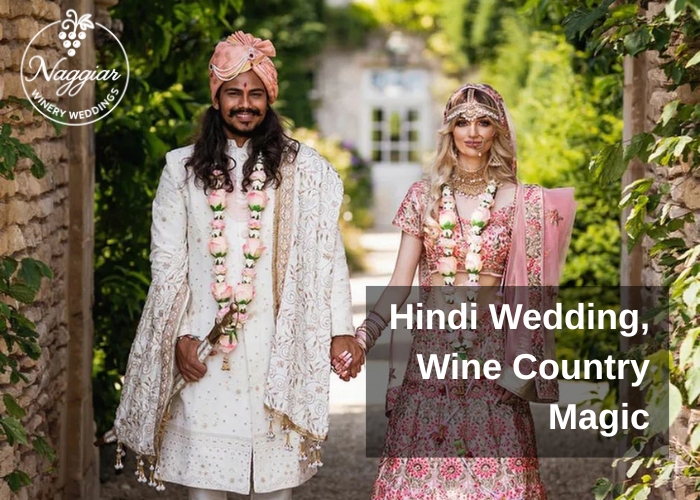
Quick Answers: Hindi Wedding at a Winery, At a Glance
Guest count sweet spot: 75–200 for most winery estates (check max capacity early).
Events you can host on-site: Ceremony, cocktail hour, reception; many couples do Sangeet or Mehndi here too.
Must-haves to confirm: Open flame rules (for pheras), sound limits for baraat/DJ, catering flexibility for Indian food.
Timeline: Start planning 9–12 months out for a peak-season Saturday in the Sierra Foothills.
Why a Hindi Wedding at a Winery Actually Makes So Much Sense
If you want a big Hindi wedding and a scenic destination without making everyone fly to another continent, a Hindi wedding at a winery is a very smart move.
In the Sierra Foothills, vineyards like Naggiar offer:
A built-in, beautiful backdrop (estate vines, rolling hills, golden-hour photos)
One main venue for multiple events (no shuttling between hotel, temple, and banquet hall if you don’t want to)
Wine your guests will actually talk about later
You get the cultural traditions you love plus the relaxed, wine-country vibe your guests will thank you for—especially the ones driving up from Sacramento or the Bay Area.
Step-by-Step: Planning a Hindi Wedding at a Winery
1. Lock in Your Venue (and Fire Rules) First
Before you book a priest, DJ, or horse for your baraat, confirm the winery:
Ask about ceremony locations.
Is there a ceremony lawn with shade options for an afternoon mandap?
Is there a backup indoor space (like a barrel room) if the weather decides to be dramatic?
Clarify religious elements.
Open flame rules for havans and pheras
Whether LED candles are required anywhere
Any restrictions on flower petals, rice, or confetti
Check noise and timing:
Cutoff times for outdoor music (common in the Foothills)
Options to move later-night dancing indoors
If you’re serious about Naggiar, you can get a feel for capacity and options on the wedding pricing page here:
Winery wedding pricing and package details at Naggiar
2. Decide Your Event Mix: Full Multi-Day or Condensed?
Traditional Hindi weddings can stretch over multiple days. At a winery, most couples choose one of these formats:
A) Classic One-Day Celebration
Morning or afternoon Mehndi off-site (at a rental house or hotel)
Afternoon mandap ceremony at the winery
Sunset cocktail hour among the vines
Reception with dinner, speeches, and dancing
B) Two-Event Winery Weekend
Night 1: Sangeet or welcome party—often a more relaxed, fusion vibe.
Day 2: Baraat, ceremony, cocktail hour, reception.
C) Intimate Micro Hindi Wedding
If your guest list is 75 or fewer, consider a weekday or Sunday micro-wedding:
Smaller guest count = more time with each person
Often better pricing and date options
You can see how Naggiar handles smaller celebrations here:
Micro-weddings at a Sierra Foothills winery
3. Build a Winery-Friendly Hindi Wedding Timeline
Use this as a starting point for a peak-season evening ceremony:
Sample Timeline (Summer / Sierra Foothills)
2:00 pm – Wedding party arrives; getting ready photos in the bridal suite
3:30 pm – Baraat arrival and procession (coordinate horse or luxury car arrival with venue)
4:00 pm – Milni and welcome drinks (water, lemonade, maybe a little Petite Sirah for later)
4:30 pm – Mandap ceremony begins
5:30–6:00 pm – Pheras & concluding rituals
6:00–7:00 pm – Cocktail hour at golden hour overlooking the vines
7:00–10:00 pm – Dinner, toasts, dancing
10:00–10:30 pm – Grand exit, late-night snacks, guest shuttles depart
Your coordinator or planner will rework this around sunset time, season, and any local sound curfews.
4. Food: Indian Caterer + Winery Requirements
Food is where Hindi weddings shine—so protect that at all costs. When touring winery venues, ask:
Preferred vs. open catering:
Can you bring in your own Indian caterer?
If yes, is there a kitchen space or staging area?
Service style options:
Plated, family-style, or buffet
Late-night snacks (think samosas, chaat, or paneer sliders)
Alcohol rules:
Almost all wineries require you to use their wine (which is kind of the point).
Ask about beer and liquor—often wine + beer only, with wine minimums.
At Naggiar, you’ll coordinate with the venue on wine service, and your caterer focuses on everything from chaats to dessert.
5. Decor & Design: Mandap Meets Vineyard
Your decor team’s job is to bring your culture into the landscape, not hide it. A few ideas:
Mandap placement:
Frame the aisle so guests see both you and the vines.
Use soft fabrics and florals that complement the natural backdrop.
Color palette:
Jewel tones (sarees and lehengas) against green vines = chef’s kiss.
Add metallic accents for photos in the barrel room or tasting room.
Cultural details:
Custom signage in English + Hindi
A welcome table explaining rituals for guests who are new to Hindi ceremonies
Personalized wine labels as favors
Browse real-wedding inspiration here:
Winery wedding gallery with vineyard and barrel room photos
6. Music, Baraat & Dancing (Without Breaking Any Rules)
Indian weddings are… not quiet. That’s part of the fun. Just match the energy to the venue guidelines:
Baraat:
Check whether horses are allowed on the property and where.
If not, think luxury car, decorated golf cart, or dhol-led walking procession.
DJ + dhol:
Confirm outdoor speaker limits and cutoff times.
Some couples do high-energy dancing outside, then move into a barrel room or indoor space later.
Must-play list:
Split your list: Hindi/Bollywood, Punjabi, and Western favorites.
Ask your DJ to blend seamlessly so your non-Indian guests still feel included on the dance floor.
7. Language & Ceremony Experience for Guests
Because this is a Hindi wedding at a winery, your guest list may be a mix of Hindi-speaking relatives and English-speaking friends from Grass Valley, Roseville, or Sacramento. A few ways to keep everyone in the loop:
Ceremony programs with short explanations of each ritual
Bilingual announcements from the MC or DJ
English summaries from the priest during key moments
This is especially helpful if you have non-Indian in-laws or a big corporate-friend crowd.
8. Logistics: Travel, Stay, and Weather
For Naggiar and similar Sierra Foothills wineries, your guests are likely driving in from:
Sacramento: about 1–1.5 hours
Roseville/Rocklin: around 1 hour
Bay Area: 2.5–3 hours, depending on traffic and their snack strategy
Things to plan early:
Hotel blocks in nearby towns like Grass Valley and Auburn
Shuttles so no one is navigating country roads after wine
Seasonal planning:
Spring/Fall: sweet spot for temperature and greenery
Summer: later ceremony times + shade and fans are your best friends
When you’re ready to talk through dates and guest counts with a human, reach out here:
Contact the Naggiar winery weddings team
Pro Tips
Book your priest and venue together so ceremony time, fire rules, and layout work in sync.
Hire a planner or at least a day-of coordinator who has done Indian/Hindi weddings at wineries before.
Use one color story across Sangeet and wedding day so decor repurposes easily.
Put elders and kids closest to shade during the ceremony; assign someone to water duty.
Build 15–20 minutes of flex time before pheras—some relative will absolutely run late.
Common Mistakes
Assuming all venues allow full fire rituals or horses without checking.
Underestimating how long Indian ceremonies actually take (build in buffer).
Forgetting mic/sound checks for the priest, especially outdoors.
Skipping transportation planning and ending up with guests driving narrow country roads after wine.
Over-decorating and fighting the natural vineyard views instead of complementing them.
FAQs
1. Can we do a full traditional Hindi ceremony with fire at a winery?
Usually yes, but it depends on the venue’s fire rules and local regulations. Many wineries allow a contained havan under a mandap with a fire extinguisher and staff present. Confirm this before you book your priest or design your ceremony.
2. Is a winery big enough for a typical Indian/Hindi wedding guest list?
Most winery estates can comfortably host 75–200 guests, sometimes more. If your list is 300+, you’ll need to check capacity carefully and may need to trim or choose a venue with expanded lawn space.
3. Can we bring our own Indian caterer to a winery wedding?
Many wineries allow outside catering for cultural cuisine while requiring you to use their wine. Ask about approved caterers, kitchen access, and any additional fees for outside vendors.
4. How do we handle a loud baraat at a quiet winery?
Coordinate the route and timing with the venue, and ask specifically about horses, amplified music, and dhol. Often you can have a high-energy baraat within a defined window and area, then shift to more controlled sound near tasting rooms or neighbors.
5. What’s the best season for a Hindi wedding at a winery in the Sierra Foothills?
Late spring and early fall are ideal—comfortable temperatures, green vines, and gorgeous golden-hour light. Summer can work too with later ceremony times, shade, and hydration plans.
6. Can we host multiple events (Sangeet, ceremony, reception) at the same winery?
Yes, many couples host Sangeet or welcome parties plus the main wedding day at the same winery. Ask about multi-day bookings, noise curfews, and how spaces can transform between events.
