

Planning a Gujarati Wedding: A Practical, Tradition-Forward Guide
Quick Answers (save this, screenshot it, send it to your group chat)
Start 9–12 months out if you want top vendors + prime dates; 6–9 months can still work with flexibility.
Your “big three” are usually venue, caterer, and priest (or ceremony officiant)—book them early.
Expect multiple events: Mehndi, Garba/Sangeet, Wedding ceremony, Reception (and sometimes Grah Shanti/Pithi).
Plan for sound, timing, and food like it’s a sport. Because it kind of is.
What makes a Gujarati wedding unique (and wonderfully full)
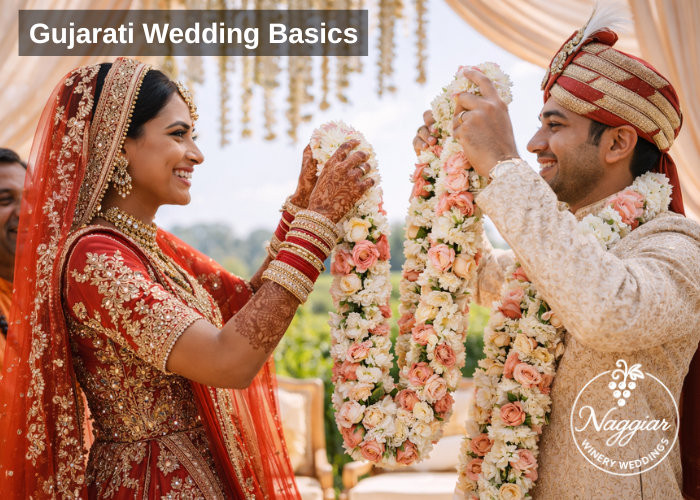
Gujarati weddings are rich with rituals, music, color, and community—often spread across multiple days. Your job isn’t to “simplify tradition.” It’s to organize it so everyone can actually enjoy it (including you).
Common components couples plan for:
Mehndi (henna + relaxed gathering)
Garba/Sangeet (dance night; high joy, high cardio)
Pithi/Haldi (turmeric ceremony—wear something you’re okay sacrificing)
Jaan / Baraat (groom’s procession)
Mandap ceremony (the heart of the wedding)
Reception (speeches, dinner, dancing—more dancing)
If you’re hosting in the Sierra Foothills / Nevada County / Grass Valley area, a scenic venue can make your décor budget go further—vines + golden hour are doing a lot of heavy lifting already.
Step-by-step: planning a Gujarati wedding (without losing your mind)
Step 1: Choose your event list and priorities (before you book anything)
Before you tour venues or pick colors, answer these:
How many events? (Mehndi + Garba + ceremony + reception? All at one place or split?)
Guest count per event (Garba may be bigger than ceremony, or vice versa)
Must-haves (live dhol? traditional mandap? specific catering style?)
Non-negotiables (timing for muhurat, family rituals, elders’ comfort)
Pro move: build two guest counts
“All events” count
“Ceremony + reception” count
This keeps quotes sane and prevents your caterer from panic-blinking.
Step 2: Lock in the venue with Gujarati wedding logistics in mind
Not every pretty place is a good multi-event place. When evaluating venues, ask:
Can we host multiple events onsite (Mehndi + Garba + ceremony + reception)?
What’s the noise policy (Garba and silence don’t really go together)?
Is there space for a mandap and ceremony seating with a clear aisle?
How is parking, lighting, and guest flow between spaces?
Can vendors access easily (catering trucks, décor setup, dhol, DJ gear)?
If you’re exploring winery vibes in Northern California, you’ll also want to confirm sunset timing for photos (golden hour is basically a wedding vendor).
If you’re comparing options, peek at venue package details and inclusions on Naggiar’s wedding pricing guide.
Step 3: Book the “Gujarati wedding essentials” vendors early
These tend to book fast:
Pandit/priest (align ceremony length + key rituals + muhurat timing)
Caterer (veg, Jain, or mixed menus; live stations; snack plan)
DJ / Dhol / Live music (Garba energy lives here)
Planner / coordinator (Gujarati timelines have lots of moving parts—worth it)
Décor team (mandap, stage, floral installs, seating layout)
If you’re deciding between full-scale and smaller celebration, a curated package can simplify the vendor puzzle. Naggiar also offers smaller-format options—see micro wedding packages for intimate celebrations.
Step 4: Build a ceremony timeline that respects tradition and real time
Gujarati ceremonies can be beautifully detailed—and also longer than guests expect if it’s not communicated well.
A practical approach:
Ask your priest for a ritual list + estimated duration
Decide what’s private vs. guest-facing
Create a one-page “what’s happening” program (guests love it)
Add buffer time for:
outfit changes
family photos
entrances (there will be entrances)
snacks (also entrances, if you’re being honest)
Sample same-day flow (adjust as needed):
2:30 PM — Guest arrival + refreshments
3:00 PM — Baraat / Jaan
3:30 PM — Ceremony begins
5:00 PM — Cocktail hour / photos
6:00 PM — Reception entrance + dinner
7:30 PM — Dancing
Step 5: Plan food like a Gujarati auntie is watching (because she is)
Food is central. And the best Gujarati wedding food plan is structured:
Welcome refreshments (chaas, nimbu pani, chai/coffee)
Snack stations (dhokla, kachori, samosas, jalebi—rotate favorites)
Dinner (full veg, Jain-friendly options, or mixed)
Late-night bite (because Garba will humble everyone)
Tips that save you:
Label Jain / nut-free / spice levels
Keep water and non-alcoholic options highly visible
If you’re at a winery venue, plan clearly for bar service + mocktails so everyone feels included
Step 6: Garba/Sangeet planning (a.k.a. your biggest vibe moment)
Garba is joyful, communal, and… logistically loud.
Checklist:
DJ who understands Garba sets (timing matters)
Sound setup that fills the space evenly
Floor plan with a clear dance circle
Dandiya sticks (buy extra; they mysteriously vanish)
Comfort station: water, fans (if warm), and a shoe plan
If you want inspiration for how outdoor spaces photograph at night (string lights + dancing = magic), browse Naggiar’s real wedding gallery.
Step 7: Outfits, hair, makeup, and the “change schedule”
With multiple events, plan outfit changes like you’re producing a show:
Assign who helps with pinning, jewelry, and steaming
Build a “quick-change kit” (safety pins, fashion tape, blotting sheets)
Schedule hair/makeup with hard stop times for photos and ceremony
And yes, tell your photographer how many outfit moments you want covered—don’t assume they can teleport.
A realistic planning timeline (Northern California-friendly)
9–12 months out
Pick date(s) around muhurat + family availability
Book venue + priest
Shortlist caterer + DJ/dhol
Hire planner/coordinator
6–9 months out
Finalize event list + guest counts
Book photo/video + décor
Start outfit shopping (shipping + alterations take time)
3–6 months out
Menu tastings + finalize Garba playlist
Ceremony structure + program draft
Book hair/makeup + transportation
1–3 months out
Seating plans per event
Final vendor timelines
Confirm rain/heat backup plans (outdoor venues need them)
Week of
Final counts + finalize ritual items
Pack emergency kit
Practice saying “we’ve got it handled” with confidence
Ready to host your celebration somewhere scenic?
If you’re planning in Grass Valley, Nevada City, Auburn, or Sacramento and want a venue that photographs like a dream (and functions like a pro), start with the practical stuff:
Review Naggiar’s wedding pricing and inclusions.
Explore micro wedding options if you’re keeping it intimate.
When you’re ready, reach out through Naggiar’s contact page to check availability.
Pro tips
Ask your priest for a “core rituals” vs. “optional rituals” list to shape ceremony length.
Create a shared vendor timeline for every event (Mehndi, Garba, ceremony, reception).
Do a sound check for Garba—music that’s too loud is stressful; too quiet is… awkward.
Plan a snack strategy between ceremony and reception. Hungry guests get chaotic.
Common mistakes
Underestimating setup time for mandap + stage décor.
Forgetting elders’ comfort (shade, seating, accessibility, shorter walking paths).
Not communicating attire expectations to guests (help them help you).
Skipping a rain/heat plan for outdoor events (weather always has opinions).
FAQs
Q1: How many days is a Gujarati wedding usually?
Most are 2–3 days, commonly Mehndi + Garba/Sangeet, then the wedding ceremony and reception (sometimes with additional rituals like Grah Shanti).
Q2: What’s the best order of events for a Gujarati wedding?
A common flow is Mehndi → Garba/Sangeet → Wedding ceremony → Reception. Your priest and families may adjust based on muhurat and traditions.
Q3: How long does a Gujarati wedding ceremony take?
Often 60–120 minutes, depending on rituals included and pacing. Ask your priest for a timed outline and decide what’s essential.
Q4: Do we need a separate venue for Garba?
Not necessarily. Many couples prefer one venue for easier logistics—just confirm sound policies, dance space, and guest flow.
Q5: What should we tell guests who aren’t familiar with the ceremony?
Provide a short program explaining key moments and encourage guests to arrive on time. A little context makes the experience more meaningful.
