

Jewish wedding at a winery: what’s different (and what isn’t)
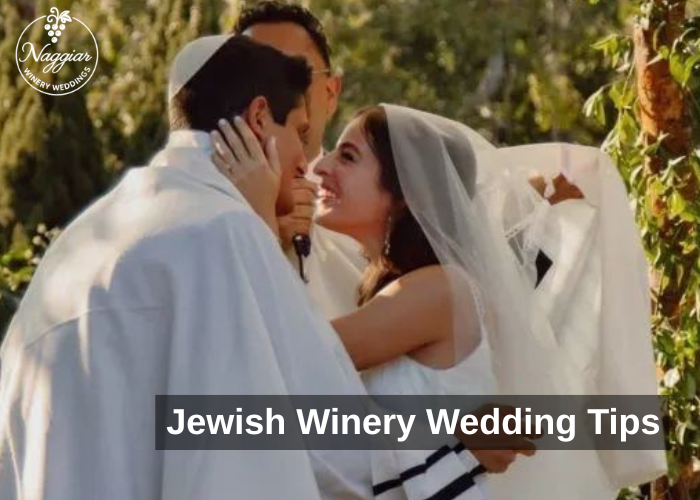
A Jewish wedding at a winery has all the usual wedding goodness—ceremony, cocktails, dinner, dancing—but the flow tends to include a few meaningful moments that need space, privacy, and a solid plan:
Ketubah signing (often pre-ceremony, sometimes private)
Chuppah setup (outdoors or indoors)
Kabbalat panim / tisch (optional, but fun)
Breaking the glass (short moment, big cheer)
Yichud (optional private time after ceremony)
Hora (not optional if your friends have functioning arms)
At a winery venue, you’re also layering in outdoor ceremony logistics, sound, and guest flow between spaces—like from the ceremony lawn to cocktail hour near the barrel room.
Planning a Jewish wedding at a winery step-by-step
1) Start with your “must-haves” (and your “nice-to-haves”)
Before you look at linens for 47 hours straight, decide:
Denomination/traditions you’re including (Orthodox, Conservative, Reform, interfaith, secular Jewish)
Officiant (rabbi/cantor/friend + rabbi consult)
Chuppah style (family tallit? four poles? floral canopy?)
Kosher level (fully kosher, kosher-style, or “kosher-friendly”)
This one page of clarity will save you from the classic planning trap: “We’ll figure it out later.” (Narrator: they did not.)
2) Talk kosher + winery realities early (it’s doable—just plan it)
If you’re keeping things kosher, the big questions are catering and wine.
Catering options couples commonly use:
Certified kosher caterer (most straightforward for full kosher)
Approved kitchen plan (less common, depends on caterer + rabbinic supervision)
Kosher-style menu (dairy or fish, vegetarian, or mixed—without strict certification)
Wine + bar planning tips:
If strict kosher is required, you may need kosher-certified wine and specific handling rules.
If you’re kosher-style or flexible, you can lean into winery favorites (hello, Petite Sirah) and build a bar that fits your crowd.
Pro move: ask your venue what’s allowed for outside catering and how they handle vendor load-in so your caterer isn’t playing Tetris in dress shoes.
Want to see what packages and planning support look like? Start with Naggiar’s wedding pricing and package details.
3) Design the chuppah with the space and weather in mind
Winery ceremonies are a vibe—but they’re still outdoors.
Chuppah checklist for a winery venue:
Stable base (wind happens; gravity is undefeated)
Shade plan (especially in warm months in the Sierra Foothills)
Aisle width for parents/grandparents walking in
Mic + speaker placement (vows + blessings deserve to be heard)
Photo angles (golden hour + estate vines = yes)
If weather turns, ask about an indoor backup like a barrel room or covered space that still feels special.
Want visual inspo? Browse real winery wedding photos in the gallery.
4) Build a timeline that respects traditions (and your sanity)
Here’s a winery-friendly Jewish wedding flow that works for many couples:
Sample timeline (late afternoon ceremony):
2:30 PM Ketubah signing (private room/quiet corner)
3:30 PM Guest arrival + seating
4:00 PM Ceremony under the chuppah (processional, blessings, rings, glass)
4:30 PM Cocktail hour (you do family photos + couple portraits)
5:45 PM Grand entrance + blessing
6:00 PM Dinner
7:15 PM Hora + open dancing
8:30 PM Golden hour photos in the vines (10–15 minutes)
9:45 PM Last call / final song
Two timeline buffers to add:
Ketubah buffer: someone will be late; it’s fine; build 15 minutes.
Hora buffer: the dance floor will not accept your “scheduled end time.”
If you want the celebration without the marathon, a smaller guest count helps a lot. Check out micro wedding options at Naggiar (great for 75-ish guests and under).
5) Make guest experience effortless (wine country edition)
Guests love winery weddings… as long as they know what to do.
Guest-friendly details that matter:
Clear signage (ceremony → cocktail hour → reception)
Comfort items (water station, sunscreen basket, shawls for evening)
Transportation (rideshares can be spotty; shuttles win)
Accessibility (paths, seating, and bathroom proximity)
Also: tell guests your dress code and the terrain (heels vs. vineyard gravel is a feud as old as time).
6) Choose vendors who “get it” (Jewish + winery)
Your best friends here:
Planner/coordinator who can cue ceremony timing and vendor flow
DJ/band who knows the hora and can build energy without chaos
Photographer who understands chuppah positioning + fast family formals
Caterer experienced with kosher needs (whatever your level)
At Naggiar, couples love having support that keeps the day moving—without you managing it.
When you’re ready to see if your date fits, reach out via Naggiar Winery Weddings contact page.
Pro Tips
Assign a “ketubah captain” (one organized human with the pens and the people).
Use sturdy chuppah construction—pretty is good, stable is better.
Put the hora after dinner if your crowd needs fuel; before dessert if they’re unstoppable.
Confirm wine/bar requirements early if keeping kosher (and build a plan everyone can follow).
Do family photos right after ceremony while everyone is already gathered.
Common Mistakes
Not planning a weather backup that still fits the chuppah moment.
Skipping sound/mics outdoors (“everyone will hear us” is a lie the wind tells).
Underestimating how long blessings + family hugs take (they’re worth it—just plan for them).
Forgetting guest comfort (water + shade + seating = happy humans).
FAQs
1) Can you have a chuppah at a winery?
Yes. Most wineries can accommodate a chuppah outdoors (ceremony lawn) or indoors (barrel room/covered space) with the right setup and wind plan.
2) Do we need kosher wine for a Jewish wedding at a winery?
Only if you’re keeping strict kosher. If so, plan for kosher-certified wine and handling rules. If you’re kosher-style or flexible, you’ll have more options.
3) How do you fit the ketubah signing into the schedule?
Plan it 60–90 minutes before the ceremony in a quiet space, and build a 15-minute buffer for arrivals and last-minute details.
4) What’s the best time for the hora at a winery wedding?
Most couples do it after dinner or right after speeches. Choose based on guest energy—either works if the DJ/band can lead it well.
5) Can we do a smaller Jewish wedding at a winery?
Absolutely. Micro weddings work especially well for Jewish traditions because the day flows smoothly and guests stay connected—without a 300-person traffic jam at the bar.
