

How to Plan a Wedding: A Practical Timeline + Checklists
Quick Answers (save this before you open 47 tabs)
Start with 3 decisions: budget range, guest count, and season—everything else follows.
Book your venue first (especially for peak Saturdays), then your key vendors.
Use a simple planning timeline: 12–9 months, 9–6, 6–3, 3–0.
If you want “easy,” consider a smaller guest list or a micro wedding option.
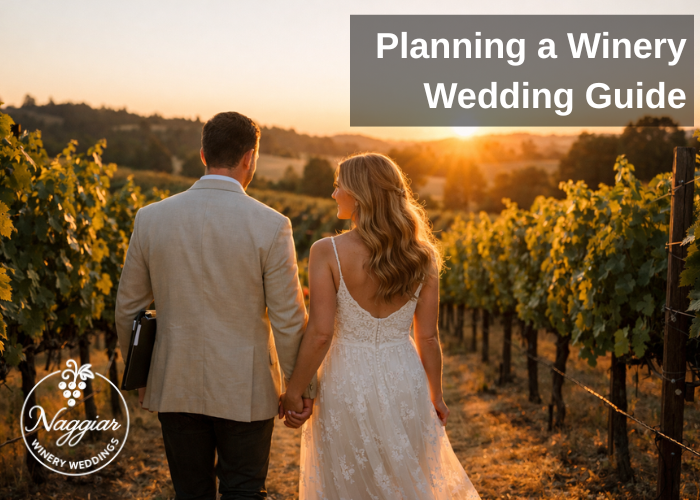
Planning a wedding can be joyful… and also a little like assembling IKEA furniture without the tiny wrench. If you’re wondering how to plan a wedding without losing your mind (or your deposit receipts), this guide gives you a clean, step-by-step path—especially if you’re eyeing a winery or vineyard setting in the Sierra Foothills near Grass Valley, Nevada City, Auburn, or Sacramento.
Step 1: Pick your “Big 3” (budget, guest count, season)
These three decisions determine almost every other line item.
1) Budget range (not a single number)
Choose a comfortable range, like $25k–$35k. You’ll make better decisions than trying to hit one exact number.
2) Guest count (ballpark is fine)
Start with tiers:
0–50: intimate / micro wedding territory
50–100: medium, manageable
100–150+: bigger vendor team, bigger logistics
3) Season
In wine country, the vibe changes a lot by season—spring greens, summer golden hour, fall harvest glow. Also: weather is a real character in your story.
Want an idea of what’s realistic for an all-in winery celebration? Check wedding package details and pricing here: https://www.naggiarwineryweddings.com/pricing
How to Plan a Wedding Timeline (12 months to “I do”)
Here’s a simple, no-drama timeline you can actually follow.
12–9 months out: lock the foundation
Book first (in this order):
Venue
Planner/coordinator (if hiring)
Photographer
Catering/bar (if not included)
DJ/band
Do early:
Choose ceremony + reception style (outdoor lawn, indoor barrel room vibes, etc.)
Start a guest list draft (yes, again—this one sticks more)
If you’re drawn to smaller celebrations with a streamlined plan, explore micro wedding options: https://www.naggiarwineryweddings.com/micro-weddings
9–6 months out: design + details (the fun part)
Decide:
Color palette + overall look (keep it simple: 2–3 colors + greenery)
Wedding party attire direction (not necessarily exact outfits)
Flowers + rentals (tables, linens, chairs, lighting)
Book:
Florist
Hair/makeup
Officiant
Rentals (if needed)
Tip: Make a “must-have” list of 3 priorities (ex: food, photos, live music). Spend there first. Your future self will thank you.
Need inspiration that isn’t “Pinterest panic”? Browse real wedding moments in the venue photo gallery: https://www.naggiarwineryweddings.com/gallery
6–3 months out: guest experience + logistics
Guest experience checklist
Send invitations (and set RSVP deadline)
Book a hotel block or provide lodging suggestions
Transportation plan (especially if you’re in foothill roads after sunset)
Build your day-of timeline
Ceremony start
Cocktail hour
Dinner
Toasts
First dances
Sunset photos (highly recommended; golden hour doesn’t negotiate)
Menu + bar
Finalize meal service style (buffet, family-style, plated)
Confirm dietary needs plan
Choose signature drinks (optional, but fun)
3–0 months out: finalize + breathe
Confirm everything
Vendor arrival times
Final headcount (with a small buffer)
Seating chart
Printed items (menus, signage)
Have a plan for the “stuff”
Where gifts go
Who takes cards
Who packs décor at the end
Who brings the marriage license (this person is now a hero)
Final week
Hydrate
Don’t try new skincare experiments
Sleep (as much as possible)
Delegate like you’re running a small, charming empire
Step 2: Build a wedding budget (simple categories that work)
Use percentages as a starting point, then adjust:
Venue + catering/bar: 40–55%
Photo/video: 10–15%
Planner/coordinator: 5–12%
Florals + décor + rentals: 8–15%
Music/entertainment: 5–10%
Attire + beauty: 5–10%
Stationery + misc.: 2–5%
Reality check: guest count is the budget multiplier. If you want to reduce costs without cutting “vibe,” reduce headcount first.
Step 3: Choose the right venue (and ask the right questions)
If you’re venue-shopping (especially for a winery wedding), ask:
What’s included (tables, chairs, getting-ready space, staffing)?
Are there noise/time limits?
Weather backup options?
Vendor flexibility (preferred list vs open)?
Is there an on-site coordinator?
If you’re comparing venues and want a clear starting point, review pricing and package inclusions: https://www.naggiarwineryweddings.com/pricing
Step 4: Make your planning system idiot-proof (affectionately)
You need one “source of truth.”
Use:
One shared spreadsheet or planning app
One email folder per vendor
One running checklist (not 12)
Weekly 20-minute planning habit
One decision
One email batch
One payment check
Done.
Step 5: Don’t forget what guests remember
Guests remember:
How easy it was to arrive + park
How long they waited between moments
Whether they ate well
Whether the music kept the energy up
Whether you looked happy (you will)
They do not remember:
Whether your napkins were “champagne” or “ivory fog”
Want a simpler plan? Micro weddings can be the cheat code
If your dream wedding is more meaningful, less logistical gymnastics, micro weddings can deliver the full experience with fewer moving parts (and fewer group texts).
See micro wedding packages and details: https://www.naggiarwineryweddings.com/micro-weddings
Ready to talk dates and options?
If you’re planning a winery wedding in the Sierra Foothills—near Grass Valley, Nevada City, Auburn, or Sacramento—reach out and we’ll help you map out the best fit for your guest count, season, and vision.
Start here: contact Naggiar Winery Weddings to inquire about availability → https://www.naggiarwineryweddings.com/contact
Pro tips
Choose 3 priorities and spend there first.
Schedule golden hour photos (it’s basically free magic).
Build in 15-minute buffers between major moments.
Assign one trusted person to handle cards + gifts + end-of-night packing.
Common mistakes
Booking vendors before the venue (dates/time rules can conflict).
No weather backup plan (weather loves attention).
Overstuffed timelines that leave no time to actually enjoy the day.
Too many décor DIYs (you deserve to sleep).
FAQs
Q1: How do I start planning a wedding with no idea where to begin?
Start with budget range, guest count tier, and season—then book your venue. Those choices guide everything else.
Q2: What should I book first for a wedding?
Your venue first, then your key vendors (planner, photographer, catering/bar, music). Popular dates go fast.
Q3: How far in advance should I plan a wedding?
Most couples plan 9–14 months out for peak dates. Smaller weddings can often be planned faster.
Q4: How do I keep wedding planning from getting overwhelming?
Use one checklist, schedule a weekly 20-minute planning session, and make one decision at a time. Fewer tabs, more peace.
Q5: What’s the easiest way to reduce wedding costs?
Reduce guest count first. It lowers catering, rentals, bar, stationery, and often the venue/package tier.
