

How to Build a Realistic Wedding Budget for Your Winery Wedding
Here's something almost every couple discovers the hard way: the wedding budget they started with wasn't realistic. Not because they overspent on one thing — but because no one told them how to build the right one in the first place.
Michelle and Christy, hosts of The Big Wedding Planning Podcast, have seen it happen hundreds of times. A couple puts together a number, finds a free budget spreadsheet online, and starts plugging things in. The spreadsheet tells them to spend a certain percentage on florals, a certain amount on the DJ, a certain chunk on lighting. The problem? The spreadsheet doesn't know what you care about.
Watch their full breakdown here:
Why Most Wedding Budgets Fall Apart Early
When Michelle and Christy sit down with couples, the first thing they ask isn't "how much do you have?" It's "what actually matters to you?"
Most generic budget tools allocate money evenly — or based on industry averages — without asking whether lighting is a priority or whether you'd rather put that money toward food. You end up signing a contract for a beautiful lighting package from a DJ you love, getting home, and realizing you just blew your floral budget on something neither of you really cared about.
That's what they call the guiding light problem. Without a budget that reflects your actual priorities, every "good deal" becomes a potential trap. You see a savings, you sign, and the regret piles up.
Start With the Right Number
Before you can allocate anything, you need a realistic starting point. Michelle and Christy recommend a simple tool: TheWeddingReport.com. Enter the zip code for where you're getting married and you'll see what couples in that area actually spend. For a winery wedding in the Sierra Foothills — think Naggiar Winery Weddings in Grass Valley — that regional data is a much better baseline than a national average.
Once you have a total number you can work with, the real work begins.
Rate What You Care About (Both of You)
Here's their system, and it's simple enough to do on a napkin.
Sit down together and rate every category of your wedding — florals, music, photography, catering, décor, transportation, photo booth — on a scale of 1 to 10. Each partner rates independently, then you average the two scores.
Example: Michelle loves flowers. She rates it an 8. Christy is indifferent — she'd be happy with whatever's in season. She rates it a 2. Average: 5. That's a middle-ground priority, so you keep your floral budget around the standard percentage. No drama.
Now take music. Both of them rate it a 9. Suddenly, music deserves a bigger slice of the pie — maybe 8–9% of the total budget instead of the standard 6%. And photo booth? Both give it a 1. Skip it entirely or go DIY.
You're not cutting things because you have to. You're cutting them because you decided they don't matter — and putting that money somewhere it will actually show up on your wedding day.
Why This Matters Even More at a Winery Venue
A winery wedding already comes with built-in beauty — the vines, the tasting room, the views. That means you can often spend less on décor and let the venue do the heavy lifting. Couples who do this well are the ones who thought about it in advance and said, "The vineyard is already gorgeous. Let's put more into the food and the band."
That kind of intentional thinking is exactly what a priority-based budget gives you. When you've agreed in writing (or in a spreadsheet) that the setting will carry the atmosphere, you don't feel the pressure to add lighting you don't need or centerpieces that compete with the scenery.
Budget as a Marriage Tool
One more thing Michelle and Christy make sure to say: this process saves arguments. Money disagreements are one of the biggest sources of stress in wedding planning — and in marriage. Getting aligned on priorities before you start booking vendors gives both partners a shared document to refer back to when things get heated.
Did we agree this was a priority? Is this actually something we care about, or are we just reacting to someone else's wedding?
That clarity is worth more than any budget spreadsheet.
A Note on Resources
Michelle and Christy built their priority-based budgeting system into their Big Wedding Master Class — a digital course designed for couples who want professional planning guidance without hiring a full-time planner. Chapter one, lesson one is budget and priorities. That tells you everything about how seriously they take getting this right from the start.
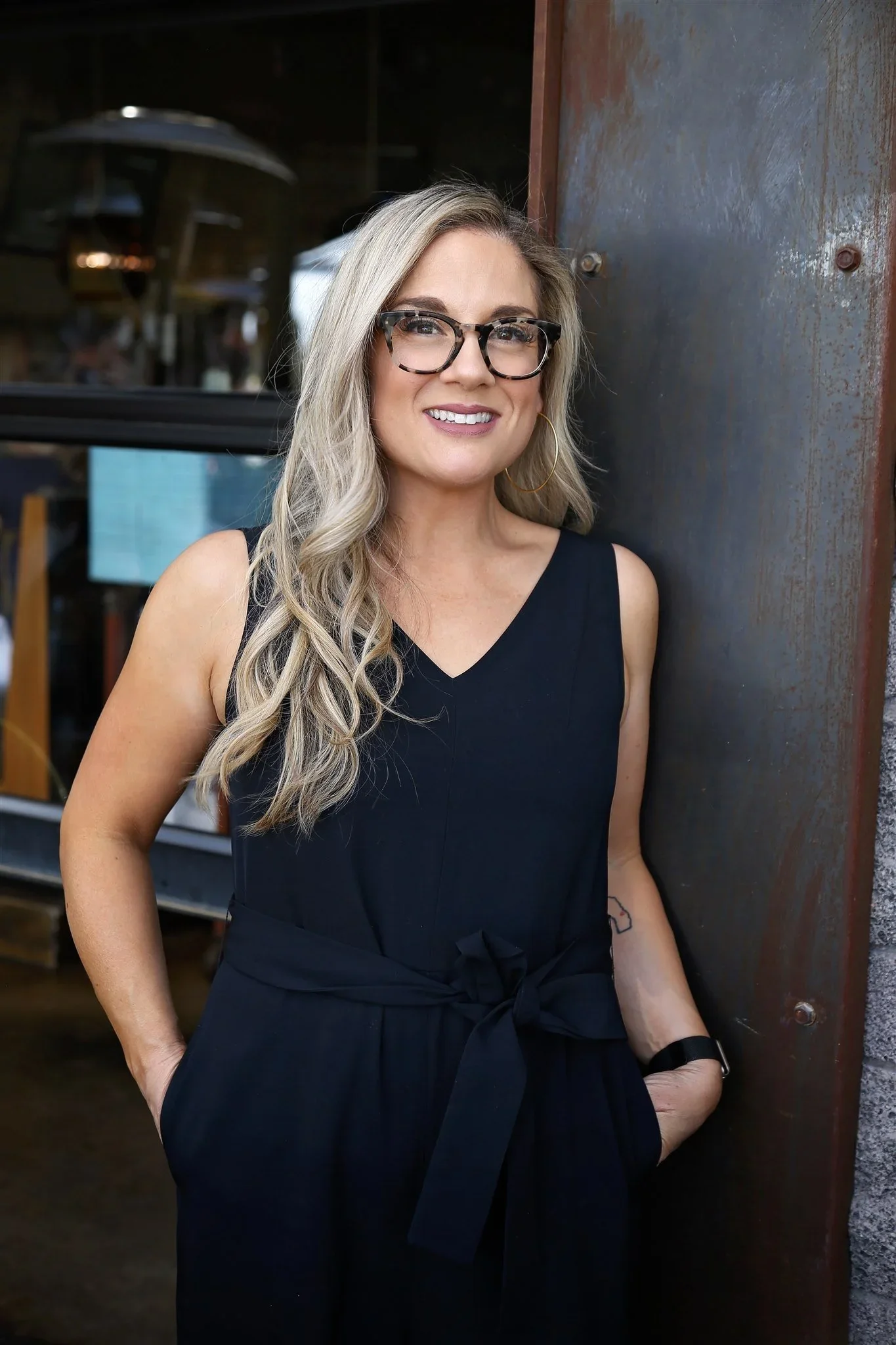
About Michelle Martinez
Michelle Martinez is a California-based Certified Wedding Consultant with over 20 years in the industry.
